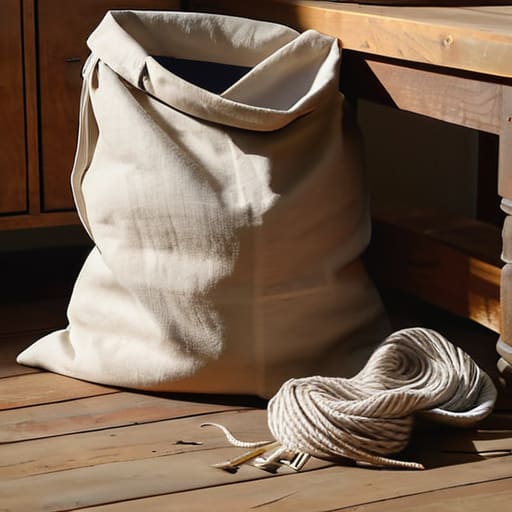
I was standing in my tiny apartment in San Francisco, staring at a mountain of mismatched, plastic bins that seemed to be slowly swallowing my living room whole, when it hit me: our physical clutter is often just a reflection of our internal chaos. We’re told that organization requires expensive, high-end systems, but I’ve learned that the most sustainable way to find calm is through intentional, small-scale creation. Learning how to make a laundry bag isn’t just about tidying up a corner of your bedroom; it’s about reclaiming your space and creating a rhythmic sense of order that supports your mental well-being.
In this guide, I’m stripping away the complicated, over-engineered DIY projects that leave you feeling more stressed than when you started. I’m going to walk you through a simple, soulful process to create something beautiful and functional that actually fits your life. You’ll get my no-nonsense, step-by-step instructions on selecting the right fabrics and stitching a durable design that stands the test of time. My goal is to show you that even a task as mundane as laundry can become a mindful ritual of self-care and productivity.
Table of Contents
- Step-by-Step Instructions
- Selecting Cotton Canvas for Laundry Bags and Lasting Calm
- Mastering Sewing Machine Settings for Heavy Fabric With Intention
- Small Rituals for a Seamless Stitch: 5 Tips for Sewing with Intention
- Small Acts of Order, Big Ripples of Calm
- Finding Ritual in the Routine
- Bringing Intention to Your Daily Rhythm
- Frequently Asked Questions
Guide Overview
Tools & Supplies
- Sewing machine or hand needles for stitching
- Fabric scissors for cutting patterns
- Measuring tape for sizing
- Fabric (cotton or canvas) 1-2 yards
- Thread (matching color) 1 spool
- Drawstring cord or ribbon 2-3 yards
Step-by-Step Instructions
- 1. First, let’s gather our materials, but let’s do it with intention. You’ll need a beautiful piece of fabric—I personally love using a sturdy organic cotton or linen to keep things feeling natural—along with some matching thread, fabric scissors, pins, and a measuring tape. Think of this gathering process as a way to set the stage for your creative flow.
- 2. Once you have your supplies, it’s time to find your rhythm with the measurements. Lay your fabric flat on a clean surface and decide how much space your laundry needs; for a standard basket size, I usually aim for about 20 inches wide by 30 inches long. Take a deep breath and measure twice, because being mindful of these small details now prevents unnecessary stress later.
- 3. Now, we’ll move into the cutting phase, which I find can be incredibly meditative if you let it. Carefully cut your fabric into a large rectangle, ensuring your edges are straight and clean. As you glide the scissors through the cloth, try to focus on the sensation of the movement, letting the repetitive motion ground you in the present moment.
- 4. Next, we’re going to create the structure by folding your fabric in half, with the “pretty” sides facing each other. Pin the sides and the bottom securely, making sure your alignment is precise. This is one of those moments where I remind my clients that small corrections in the beginning lead to much smoother transitions as we move forward.
- 5. It’s time to bring it all together with your sewing machine or a needle and thread. Stitch along your pinned edges using a straight stitch, but remember to leave the top open! I always suggest using a backstitch at the start and end of your seams to ensure everything is sturdy and reliable, much like the habits we try to build in our own lives.
- 6. To give your bag that professional, polished feel, we need to create a clean hem at the top. Fold the top edge down about an inch, pin it carefully, and sew all the way around the circumference. This little step is a beautiful way to seal your intentions into the project, turning a simple utility item into a true sanctuary piece.
- 7. Finally, if you’re feeling extra inspired, you can add some drawstring channels at the top by folding the fabric over once more and stitching a tunnel. Threading a simple cotton cord through this channel adds a lovely, tactile element that makes the bag easy to carry. Once you’re finished, take a moment to celebrate your creation; you’ve turned a chaotic chore into a moment of intentional design.
Selecting Cotton Canvas for Laundry Bags and Lasting Calm
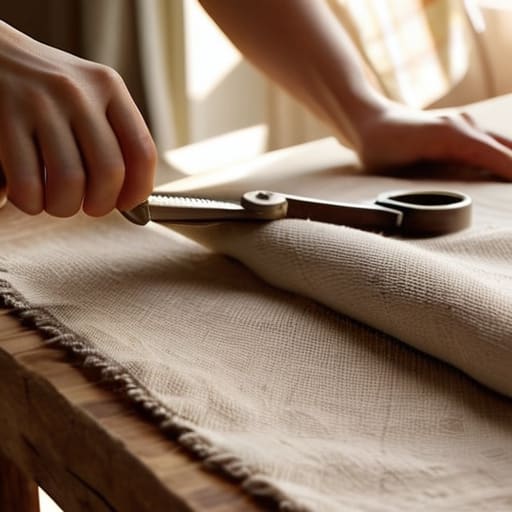
When you’re standing in the fabric aisle, it can feel a bit overwhelming, but I always tell my clients that the materials we surround ourselves with act as the silent backdrop to our mental well-being. Choosing the right cotton canvas for laundry bags isn’t just about durability; it’s about choosing a texture that feels grounded and intentional. I personally love a medium-weight canvas because it has enough structure to feel substantial without being punishingly stiff. As you begin measuring fabric for large bags, try to visualize how the weight of the cloth will move in your space. A sturdy fabric creates a sense of predictable order, which is a small but powerful way to quiet the mind during a busy week.
While you’re prepping, keep in mind that a quality material makes the technical side much smoother. If you’re working with a thicker weave, you might need to adjust your sewing machine settings for heavy fabric to ensure your stitches remain even and rhythmic. Think of this process as a moving meditation; instead of rushing to finish, let the steady hum of the machine become a way to anchor yourself in the present moment.
Mastering Sewing Machine Settings for Heavy Fabric With Intention
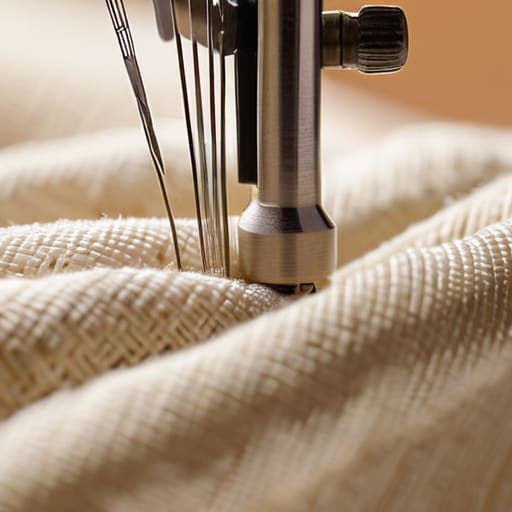
Now, as we move from the tactile joy of choosing our materials to the actual construction, I want you to take a deep breath. I remember my first time trying to tackle a project like this; I was so rushed that I didn’t realize my machine was struggling with the thickness of the weave. When you’re working with cotton canvas for laundry bags, your machine needs a little extra grace and the right configuration to prevent frustration.
Before you start, take a moment to adjust your sewing machine settings for heavy fabric. I always recommend switching to a larger needle—a size 90/14 or even a 100/16—to ensure the thread travels smoothly through those dense fibers without snapping. It’s also helpful to slow down your stitch length slightly; think of it as finding a steady, rhythmic pace rather than racing toward the finish line. If you feel any resistance, don’t force it. Instead, use a walking foot if you have one, which helps guide those layers evenly. By approaching the machine with patience rather than pressure, you turn a technical task into a meditative practice of precision and care.
Small Rituals for a Seamless Stitch: 5 Tips for Sewing with Intention
- Embrace the “Measure Twice, Breathe Once” Rule: It’s so easy to rush when we’re focused on the end goal, but taking an extra moment to double-check your fabric dimensions ensures you won’t have to undo your hard work later, saving you from that all-too-familiar sense of frustration.
- Use Heavy-Duty Pins to Ground Your Process: When working with sturdy canvas, lightweight pins can feel a bit flimsy and unpredictable; opting for sturdy, sharp pins helps keep your layers aligned, allowing you to focus more on the rhythmic flow of your sewing rather than fighting with shifting fabric.
- Create a “Mindful Workspace” Boundary: Before you start cutting, clear your table of everything except your tools; having a dedicated, clutter-free zone for your project helps signal to your brain that this is a time for focused creativity rather than just another chore on your to-do list.
- Don’t Fear the Seam Allowance: I used to get so anxious about getting every line perfectly straight, but remember that a slightly generous seam allowance actually adds structural integrity to your bag, making it more durable for your long-term wellness routine.
- Celebrate the Imperfect Stitch: If a seam isn’t absolutely flawless, please don’t be hard on yourself; in the grand scheme of building a more organized life, a tiny imperfection is just a reminder that you are a human being, not a machine, and that’s exactly where the beauty lies.
Small Acts of Order, Big Ripples of Calm
Remember that crafting this bag isn’t just a chore; it’s a mindful ritual that allows you to reclaim a sense of control and tranquility within your home sanctuary.
Choosing high-quality, natural materials like cotton canvas is an investment in both durability and a sensory experience that promotes a grounded, peaceful environment.
Approach the technical aspects of sewing with patience and presence, viewing each stitch as an opportunity to practice mindfulness and celebrate the beauty of slow, intentional living.
Finding Ritual in the Routine
“Creating a simple laundry bag isn’t just about organizing your space; it’s about the quiet, intentional act of crafting order out of chaos, turning a mundane household chore into a mindful ritual that honors both your home and your peace of mind.”
Sophia Reynolds
Bringing Intention to Your Daily Rhythm
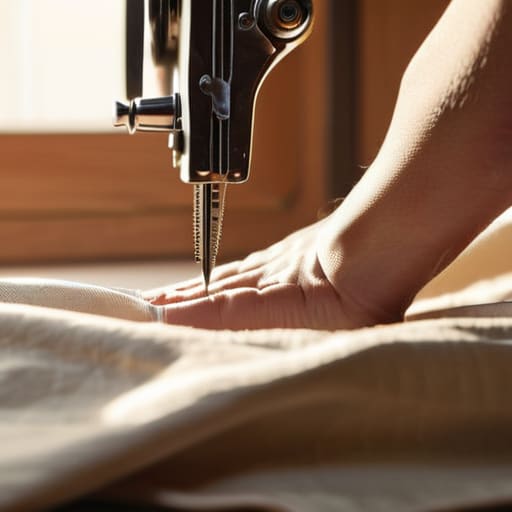
As we wrap up this little journey of creation, I hope you feel a sense of pride in what you’ve accomplished. We’ve journeyed from selecting the perfect, grounding cotton canvas to mastering those tricky sewing machine settings that allow heavy fabrics to glide smoothly under the needle. By focusing on the quality of your materials and the deliberate precision of your technique, you haven’t just made a functional tool for your home; you have crafted a way to streamline a chore that often feels like a mental weight. Remember, every stitch you placed was an opportunity to practice mindful presence, turning a simple DIY project into a ritual of organization and care.
Beyond the seams and the fabric, I want you to remember that the true magic lies in how you integrate these small wins into your broader lifestyle. Creating something with your own hands serves as a beautiful reminder that we have the agency to shape our environment to better suit our need for peace. As you hang your new laundry bag in your sanctuary, let it be a symbol of your commitment to living with intention. May this small act of making lead you toward a life where even the most mundane tasks become opportunities for grace, helping you maintain that precious balance between productivity and deep, soulful fulfillment.
Frequently Asked Questions
How can I incorporate a drawstring or a closure that won't become a source of daily frustration?
We’ve all been there—fumbling with a jammed zipper or a tangled string when we’re already running behind. To keep your rhythm flowing, I recommend a wide, braided cotton cord rather than thin synthetic twine. It’s much gentler on the hands and less prone to knotting. If you want to go a step further, adding a simple wooden toggle provides a tactile, grounding moment every time you close your bag, turning a chore into a mindful ritual.
If I'm using a more delicate fabric for a gentler touch, how do I ensure the bag remains durable enough for regular use?
That is such a thoughtful question! When we shift from heavy canvas to something more delicate, like a soft linen or a lightweight cotton, we’re essentially choosing a different kind of energy for our space. To keep that gentleness from turning into fragility, I recommend using a slightly smaller needle size to prevent snagging, but reinforcing your seams with a double stitch. It’s all about that balance—honoring the softness while building in the resilience needed for daily life.
Are there any simple ways to add a bit of personal intention or aesthetic beauty to my bag, like embroidery or natural dyes, to make it feel more like a part of my sanctuary?
Oh, I love that you’re thinking this way! It’s those little touches that turn a utility item into a soulful ritual. To bring more intention to your bag, try botanical dyeing with onion skins or avocado pits for a soft, earthy hue. Or, if you’re feeling meditative, a few simple hand-embroidered botanical motifs can be incredibly grounding. It’s not just about the aesthetic; it’s about infusing your daily chores with a sense of beauty.