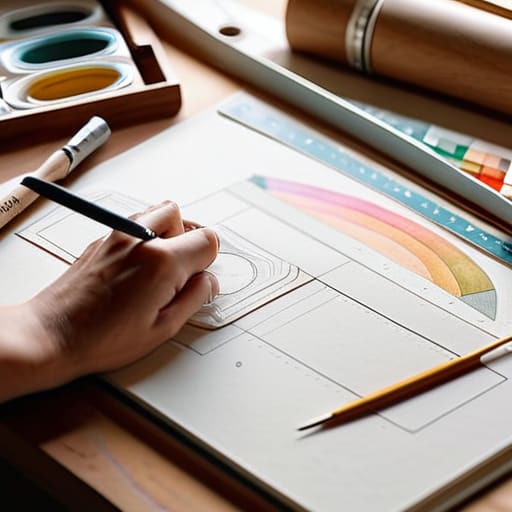
I remember standing in the middle of my living room last spring, surrounded by a chaotic sea of half-finished knitting projects, expensive yarn I’d bought on a whim, and a mounting sense of pure overwhelm. I had this grand vision of a hand-woven tapestry, but instead of feeling creative, I just felt defeated by the clutter. We often fall into the trap of thinking that spontaneity is the soul of art, but I’ve learned that true creative freedom actually comes from structure. Learning how to plan a craft project isn’t about stifling your imagination or following a rigid, boring checklist; it’s actually about creating a safe container for your inspiration to flow without the stress of running out of supplies or losing your way mid-process.
In this guide, I’m stripping away the fluff to give you a practical, mindful roadmap for your next endeavor. We’re going to walk through how to audit your current supplies, set realistic intentions, and budget your time so that your hobby remains a source of joy rather than another item on your stressful to-do list. My goal is to help you master the art of intentional making, ensuring that every stitch, brushstroke, or bead serves your ultimate vision.
Table of Contents
- Step-by-Step Instructions
- Mastering Creative Workflow Management for a Peaceful Mind
- Budgeting for Diy Projects Without Losing Your Joy
- Small Rituals for a Smoother Creative Flow
- Embracing the Rhythm of Your Creative Journey
- ## The Heart of the Process
- Finding Your Flow in the Finished Piece
- Frequently Asked Questions
Guide Overview
Tools & Supplies
- Notebook or digital app for brainstorming and sketching
- Ruler or measuring tape for dimension planning
- Project concept or reference images (1 set)
- List of required materials and budget (1 list)
Step-by-Step Instructions
- 1. First, I want you to grab a notebook—something that feels good in your hands—and simply dream without limits. Before we get bogged down in the logistics of glue guns and thread counts, let your mind wander. What is the emotional intention behind this project? Are you making this to find calm, to gift a piece of your heart to a friend, or to decorate your sanctuary? When we connect our creativity to a deeper purpose, the planning process feels less like a chore and more like a sacred ritual.
- 2. Once you have that spark of an idea, it’s time to move from the abstract to the tangible by creating a “vision board” of sorts. This doesn’t have to be a complex collage; it can be as simple as a few sketches or a collection of color swatches. I always tell my clients that visualizing the end goal helps prevent that mid-project overwhelm. By seeing the colors and textures you want to work with, you’re essentially mapping out the energy of the piece before you even touch a single tool.
- 3. Now, let’s get practical: let’s talk about your inventory. I know, I know—it feels a bit un-magical—but take a deep breath and do a mindful audit of what you actually have in your craft nook. There is something so grounding about touching your materials and realizing what is already yours. Make a list of what you have and, more importantly, what you need to acquire. This prevents those frantic, mid-creation trips to the craft store that can totally disrupt your flow.
- 4. Next, I highly recommend breaking your vision down into “micro-milestones.” When I was working in corporate wellness, I learned that huge, daunting tasks are the fastest way to trigger stress. Instead of writing “Make a Quilt” on your to-do list, try something like “Select fabric patterns” or “Cut the base pieces.” By focusing on these bite-sized victories, you allow your brain to release dopamine with every small step, keeping your motivation high and your anxiety low.
- 5. Before you dive into the actual making, take a moment to curate your physical environment. A cluttered workspace often leads to a cluttered mind, which is the opposite of what we’re aiming for here. Set up your station so that your most-used tools are within easy reach, and perhaps light a candle or put on some soft, ambient music. Setting the stage is just as important as the project itself; it signals to your nervous system that it is time to create.
- 6. Finally, build in some “buffer time” within your schedule. We often fall into the trap of thinking a project will take two hours when it actually takes five, and that’s where the frustration creeps in. I like to follow the rule of one-and-a-half: if you think it will take two hours, schedule three. This extra space acts as a safety net for your peace of mind, allowing you to move through the process with grace rather than rushing toward a finish line.
Mastering Creative Workflow Management for a Peaceful Mind
Once you’ve mapped out the logistics, the real magic happens in how you manage your energy throughout the process. I remember back in my corporate days, I used to think productivity was about speed, but I’ve learned that true efficiency comes from a steady, intentional rhythm. Implementing a solid system for creative workflow management isn’t about restricting your spontaneity; it’s about creating a container where your creativity can actually breathe. When you have a clear sense of your rhythm, you spend less time fighting decision fatigue and more time lost in the beautiful flow of making.
A huge part of that mental clarity comes from the physical space around you. I’ve found that a little bit of proactive craft supply organization can be a total game-changer for your nervous system. There is something so grounding about knowing exactly where your favorite linen thread or that specific shade of watercolor resides. When your tools are in harmony, your mind follows suit. Instead of feeling overwhelmed by a cluttered desk, you’ll find yourself entering a state of peaceful presence, allowing the joy of the craft to take center stage.
Budgeting for Diy Projects Without Losing Your Joy
I remember a time during my corporate years when I’d approach a new hobby with the same frantic energy as a high-stakes quarterly review. I’d rush out, buy every shiny new tool imaginable, and then feel that heavy, sinking sensation in my chest when I saw my bank statement. We often think that “investing” in our passion means spending more, but true creativity thrives when we feel secure, not stressed. When it comes to budgeting for DIY projects, I’ve found that the secret isn’t about restriction; it’s about intentionality.
Before you head to the craft store, I highly recommend a little bit of soulful inventory checking. Take a quiet moment to look through what you already own. Often, we find that we have a hidden treasure trove of materials just waiting to be repurposed. By managing craft inventory effectively, you aren’t just saving money—you’re actually practicing a form of mindfulness by honoring the resources you already possess. This prevents that impulsive “retail therapy” cycle and keeps the focus where it belongs: on the joy of the making process itself.
Small Rituals for a Smoother Creative Flow
- Curate your workspace before you begin. I’ve found that a cluttered desk often leads to a cluttered mind, so take five minutes to clear your physical space and perhaps add a single candle or a small plant to invite a sense of calm into your creative zone.
- Break your vision into “micro-wins.” Instead of looking at the daunting finished product, list the tiny, manageable steps required to get there. In my corporate days, we called this chunking, and it’s just as effective for preventing burnout in your studio as it is in the boardroom.
- Build in a “buffer zone” for the unexpected. Whether it’s a shipment delay or a mistake in your stitching, leave a little extra time in your schedule. Embracing these little hiccups with grace prevents the frustration that often kills our creative spark.
- Conduct a sensory audit of your materials. Before you commit to a purchase, think about how the textures will feel and how the colors will impact your mood. Choosing materials that resonate with your emotional well-being makes the process as therapeutic as the result.
- Schedule your “thinking time” separately from your “doing time.” There’s a beautiful distinction between the conceptualizing phase and the execution phase; by giving yourself permission to just dream and sketch without the pressure to produce, you protect your joy from the demands of perfectionism.
Embracing the Rhythm of Your Creative Journey
Remember that planning isn’t about rigid control; it’s about creating a gentle container that allows your creativity to flow without the anxiety of the unknown.
Protect your joy by setting realistic boundaries with your budget and your time, ensuring that your craft remains a sanctuary rather than another item on your stressful to-do list.
View every step of the process—even the messy, unplanned parts—as an opportunity to practice mindfulness and reconnect with the simple pleasure of making something with your own two hands.
## The Heart of the Process
“Planning a craft project isn’t about rigid checklists or controlling every outcome; it’s about creating a sacred space for your creativity to breathe, ensuring that when you finally pick up your tools, your spirit is as ready as your hands.”
Sophia Reynolds
Finding Your Flow in the Finished Piece
As we wrap up this journey, I want you to take a moment to look back at how far you’ve come. We’ve moved from the initial spark of an idea through the practicalities of mindful planning, managing your creative workflow, and even navigating the tricky waters of budgeting. Remember, the goal wasn’t just to finish a project, but to cultivate a sense of intentionality throughout the entire process. By organizing your materials and setting realistic boundaries for your time and finances, you’ve effectively cleared the mental clutter that often leads to burnout. You have transformed what could have been a stressful chore into a structured, peaceful ritual of self-expression.
Now, as you pick up your tools to begin, I want you to leave perfectionism at the door. Your crafts are more than just objects; they are reflections of your unique spirit and the quiet moments of presence you’ve cultivated. Whether your first attempt is a masterpiece or a beautiful mess, please honor the courage it took to simply start. Let each stitch, brushstroke, or cut be an act of self-care. You aren’t just making something beautiful for the world to see—you are nurturing your own soul one creative step at a time. I am so incredibly proud of you for choosing to create with intention.
Frequently Asked Questions
How do I know when I've planned enough, or am I at risk of over-thinking the process and losing that spontaneous creative spark?
This is such a common struggle—I call it “analysis paralysis,” and I used to fall right into it during my corporate days. You’ve planned enough when your roadmap feels like a guide rather than a cage. If you find yourself researching one more tool or color palette instead of actually touching your materials, stop. Take a deep breath. Trust your intuition; the magic often happens in the messy, unplanned moments where your soul takes over.
What should I do if I realize halfway through a project that I've veered off my original plan or run out of specific materials?
First, take a deep breath. I’ve been there—standing in a sea of yarn or scrapbooking paper, feeling that sudden spike of cortisol. Instead of seeing this as a failure, view it as a “creative pivot.” If you’ve veered off course, ask yourself: does this new direction spark more joy? If yes, embrace the detour! If you’re out of materials, pause, step away, and let your subconscious brainstorm a beautiful workaround. Flow, don’t force.
How can I keep my crafting space organized so that the planning process feels calm rather than overwhelming?
I’ve learned the hard way that a cluttered desk often leads to a cluttered mind. When my workspace was a chaotic sea of scraps, my creativity felt stifled. I recommend creating “sensory zones”—dedicated spots for specific tasks, like a clean surface for cutting and a cozy nook for sketching. Try using clear containers so you can see your supplies without the mental noise of digging through bins. Remember, your space should invite you in, not push you away.