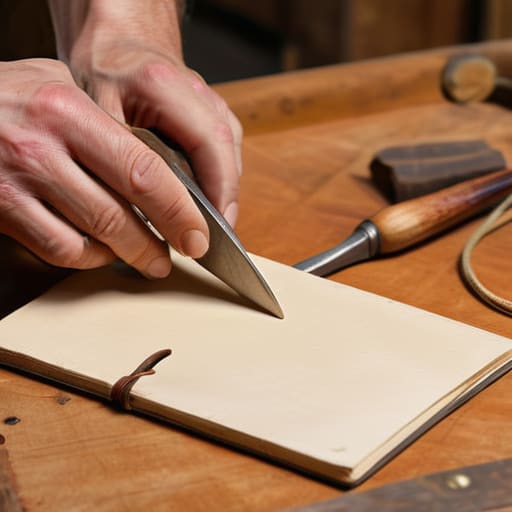
I remember sitting on my floor in my first tiny apartment after leaving my high-stress corporate job, surrounded by loose sheets of paper and a sense of total overwhelm. I was trying to organize my thoughts, but everything felt so scattered—literally. I realized then that I didn’t just need a place to write; I needed a ritual. People often think that learning how to bind a notebook requires expensive, professional-grade equipment or a degree in fine arts, but that’s a total myth. In reality, the most meaningful journals are often the ones we stitch together with our own hands, using nothing more than a bit of patience and a simple needle.
In this guide, I’m stripping away the intimidation and sharing the exact, tactile process I use to create my own personal sanctuaries for reflection. We aren’t going for perfection here; we are aiming for intentionality. I’ll walk you through every step of the process, from selecting your paper to mastering the basic stitch, ensuring you walk away with a beautiful, functional tool for your mindfulness practice. Let’s slow down and learn how to bind a notebook that actually feels like home.
Table of Contents
- Step-by-Step Instructions
- Gathering Your Intentions Essential Bookbinding Tools for Beginners
- Mastering the Rhythm of Hand Sewing Bookbinding Techniques
- Small Rituals for a Seamless Stitch: My Top 5 Bookbinding Secrets
- Embracing the Journey: My Three Heartfelt Takeaways
- The Soul in the Stitch
- A Sanctuary for Your Journey Ahead
- Frequently Asked Questions
Guide Overview
Tools & Supplies
- Awl or thick needle for punching holes
- Large needle for sewing through paper
- Ruler for measuring margins and spacing
- Bone folder or spoon for creasing folds
- Paper (20-50 sheets for pages)
- Cardstock (2 sheets for covers)
- Waxed thread (approx. 3-5 feet)
- Scissors or craft knife
Step-by-Step Instructions
- 1. First, let’s gather our intention and our tools. You’ll need some beautiful paper for your pages, a thicker cardstock or decorative paper for the cover, a needle, some sturdy waxed thread, and a small awl or a thick needle to pre-punch your holes. I always find that setting the space with a little bit of calming music makes the preparation feel less like a chore and more like a sacred ritual.
- 2. Once your materials are laid out, it’s time to prepare your paper signatures. Instead of using a single thick stack, fold your paper into smaller groups of five or six sheets—we call these “signatures.” This makes the binding process much more manageable and intentional, ensuring that your notebook feels substantial yet graceful when you hold it in your hands.
- 3. Now, we need to create a path for our thread. Take your signatures and your cover, stack them neatly, and use your awl to carefully pierce holes along the fold. I recommend marking your spots with a pencil first; there is something so deeply grounding about the precision of this moment, allowing you to focus entirely on the tactile sensation of the tool meeting the paper.
- 4. It’s time to begin the actual stitching, which is my favorite part. Thread your needle and start with the innermost signature, using a “long stitch” or a simple “running stitch” to connect the pages. As you work, try to maintain a steady rhythm; think of the needle moving through the paper as a way to anchor yourself in the present, much like a single breath in a yoga flow.
- 5. As you move from one signature to the next, ensure you are looping the thread securely around the spine to create a strong connection. Don’t worry if it isn’t absolutely perfect—imperfections are where the soul lives. A slightly uneven stitch is just a gentle reminder of the human hands that crafted this sanctuary for your thoughts.
- 6. Once you’ve reached the final signature, tie off your thread with a series of small, secure knots. I like to hide these knots inside the fold of the paper to keep the aesthetic clean and serene. Take a second to admire your progress; you’ve just transformed raw materials into a functional piece of art.
- 7. Finally, give your new notebook a little “settling in” period. Close it, perhaps place a heavy book on top of it for an hour, and let the spine find its natural shape. Now, your notebook is ready to hold your dreams, your to-do lists, or even your quietest reflections.
Gathering Your Intentions Essential Bookbinding Tools for Beginners
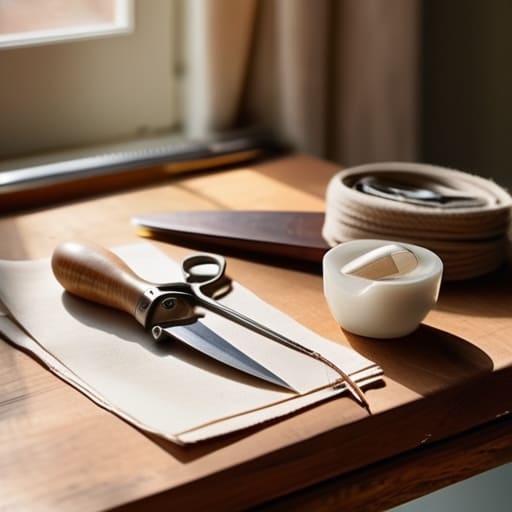
Before we dive into the tactile joy of stitching, let’s talk about setting the stage. I remember my first attempt at making my own journal; I was so rushed that I didn’t realize I was using kitchen twine instead of proper cord, and let’s just say my pages weren’t exactly staying put! When you’re looking for bookbinding tools for beginners, don’t feel like you need a professional studio. A sharp awl, a sturdy bone folder, and a good pair of embroidery scissors will take you incredibly far. Think of these tools not as chores, but as the extensions of your intention as you prepare to create something sacred.
As you curate your kit, pay special attention to your binding thread and needle types. While a standard sewing needle might work in a pinch, a specialized bookbinding needle with a larger eye makes the process much more soothing and less frustrating. You’ll also want to decide early on if you’re leaning toward a hardcover vs softcover binding style, as this will dictate the weight of the cardboard or cardstock you’ll need to gather. Taking this moment to prepare mindfully ensures that when you finally sit down to sew, your focus remains entirely on the rhythm of the craft.
Mastering the Rhythm of Hand Sewing Bookbinding Techniques
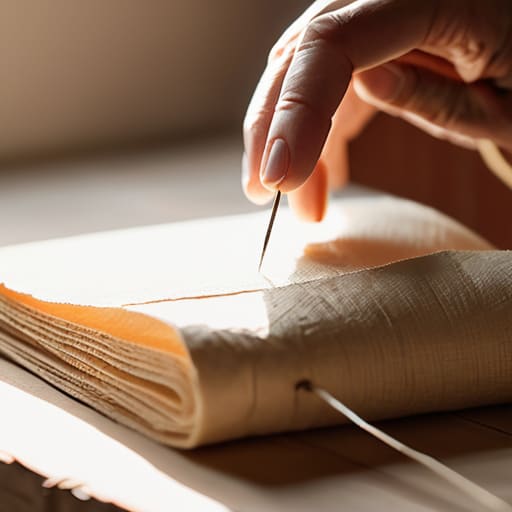
As you pick up your needle, I want you to resist the urge to rush toward the finish line. I remember my first attempt at making my own journal; I was so focused on the technicalities that I completely missed the meditative magic of the process. When you dive into hand sewing bookbinding techniques, try to view each stitch as a rhythmic breath. If you find your tension getting too tight or your mind racing, simply pause. The beauty of this craft lies in the intentionality of every movement, turning a mechanical task into a moving meditation.
A little tip from my years in wellness consulting: your physical environment dictates your mental flow. Before you begin the actual stitching, ensure your lighting is warm and your workspace is clear of digital distractions. As you navigate the nuances of binding thread and needle types, pay attention to how the texture of the linen thread feels against your fingertips. It’s these small, sensory details that transform a simple DIY project into a profound act of self-care. Slow down and let the rhythm guide you.
Small Rituals for a Seamless Stitch: My Top 5 Bookbinding Secrets
- Embrace the “Slow Stitch” Mentality. It’s so tempting to rush through the sewing when you just want to see the finished product, but I’ve learned that tension is everything. If you pull too hard, you’ll pucker the paper; if you’re too loose, the spine will feel wobbly. Think of it like a deep exhale—steady, controlled, and intentional.
- Pre-Punch Your Path. One of the biggest stressors in bookbinding is the fear of the needle slipping and ruining your beautiful paper. To keep your zen intact, I always use an awl to pre-punch my holes. It’s much more grounding to guide the thread through an existing path than to fight against the resistance of the page.
- Mind the Margin. I once made a gorgeous journal only to realize I’d bound it too close to the edge, making it nearly impossible to write in! Give your pages a little “breathing room”—at least a half-inch from the spine. Just like we need personal space to thrive, your words need space to live on the page.
- Choose Thread with Intention. While synthetic threads are durable, I often find myself reaching for waxed linen. The wax helps the thread glide through the paper with much less friction, which actually makes the process feel more meditative and less like a chore. It’s a tiny detail, but it changes the whole tactile experience.
- Forgive the Imperfections. Here’s a little secret from my psychology days: perfectionism is the enemy of creativity. If your stitches aren’t perfectly symmetrical, don’t sweat it. Those tiny irregularities are the “fingerprints” of your soul on the work. They remind you that a human being—a living, breathing person—created this sanctuary for their thoughts.
Embracing the Journey: My Three Heartfelt Takeaways
Remember that the beauty of a handmade notebook lies in its imperfections; don’t let a slightly uneven stitch discourage you, because those tiny “flaws” are actually the fingerprints of your unique creative presence.
View the binding process not just as a task to complete, but as a moving meditation—a rare opportunity to disconnect from the digital noise and reconnect with the tactile, grounding rhythm of your own hands.
Treat your new notebook as a sacred vessel for your growth, using it as a dedicated space to honor your intentions, capture your fleeting inspirations, and hold the evolving story of your life.
The Soul in the Stitch
“When we bind a notebook by hand, we aren’t just assembling paper and thread; we are creating a physical sanctuary for our wandering thoughts, teaching ourselves that even the most fragmented ideas deserve a beautiful, intentional place to land.”
Sophia Reynolds
A Sanctuary for Your Journey Ahead
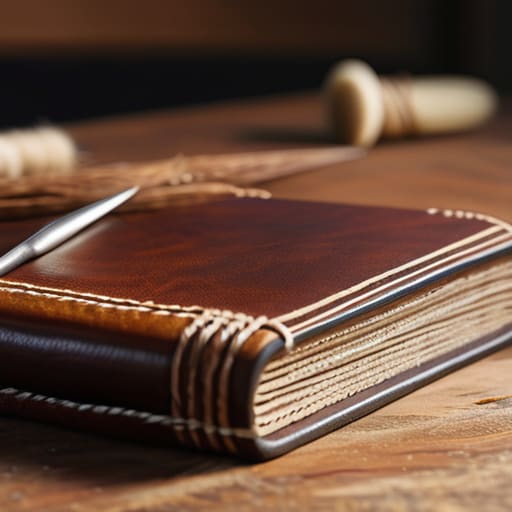
As we bring this project to a close, take a moment to look at what you’ve created. From selecting your tools with intention to finding that steady, meditative rhythm during the hand-sewing process, you haven’t just made a notebook; you’ve built a vessel for your thoughts. We’ve covered everything from gathering your essential supplies to mastering the delicate mechanics of the stitch, ensuring that your binding is as resilient as it is beautiful. Remember, the beauty of bookbinding lies in the details—the way the thread pulls the pages together and the tactile satisfaction of a finished spine. You’ve successfully navigated the technical hurdles, and now you have a tangible piece of art ready to hold your biggest ideas.
Now that your notebook is complete, I want to encourage you to treat it with the same kindness you offer yourself. This isn’t just a collection of paper; it is a sacred space for your growth, your dreams, and even your messy, unpolished reflections. Whether you use it for daily gratitude journaling, sketching, or planning your next big professional leap, let every page be a reminder that you have the power to create structure out of chaos. Slow down, pick up your pen, and let the journey begin. You are more than ready to fill these pages with a life well-lived.
Frequently Asked Questions
I’m a bit nervous about making a mistake—how can I tell if my tension is too tight or too loose while I'm sewing?
Oh, I hear you! I remember feeling that exact same knot of anxiety during my first few attempts. Take a deep breath—it’s all part of the learning curve. If your pages feel stiff or the spine looks puckered, your tension is likely too tight; try loosening your grip. If the thread looks floppy or the pages wiggle too much, you might need to pull a bit firmer. Trust your hands; they’ll find the rhythm.
Can I use different types of paper, like thicker watercolor paper or recycled scraps, without the binding falling apart?
Oh, I love that curiosity! It’s like adding different textures to a meditation practice—it makes the experience so much richer. Absolutely, you can! Using thicker watercolor paper or even soulful scraps of recycled paper adds such a beautiful, tactile character to your journal. Just keep in mind that heavier paper might need slightly larger needle holes to prevent tearing. Think of it as adjusting your breath to match the movement; a little extra care ensures everything stays beautifully held together.
What should I do if I accidentally drop a stitch or realize my alignment is slightly off halfway through the process?
Oh, please don’t let that little hiccup steal your peace! I’ve been there—midway through a project, feeling that sudden spike of perfectionist anxiety. Take a deep breath. If it’s just a single stitch, gently unpick it with your awl or a small seam ripper and try again. If the alignment feels off, don’t force it; step away for a tea break. Remember, these tiny imperfections are just part of the notebook’s unique soul.