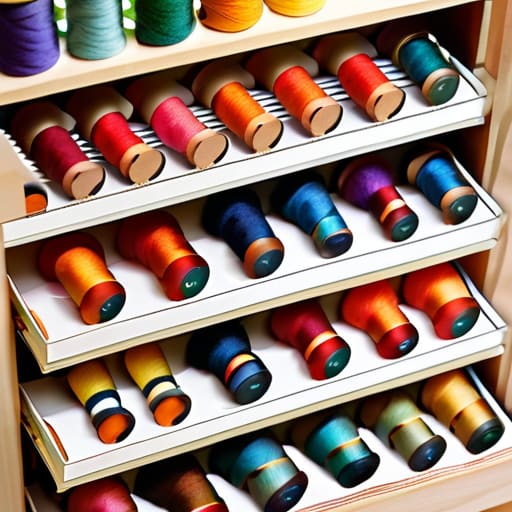
I remember sitting on my floor three years ago, surrounded by a chaotic sea of tangled embroidery floss, half-empty acrylic paint tubes, and rogue buttons, feeling completely paralyzed. I had this vision of a Pinterest-perfect studio, but instead, I just felt overwhelmed. Every time I wanted to start a new project, I spent forty minutes just hunting for a specific shade of teal or a pair of fabric shears. It wasn’t just a mess; it was a mental block that was stifling my creative flow. I realized then that learning how to organise a craft cupboard isn’t about buying expensive, aesthetic acrylic bins that look good in a photo—it’s about creating a functional sanctuary that actually supports your peace of mind.
I’m not here to sell you on a lifestyle you can’t maintain or a system that requires a PhD to navigate. Instead, I want to share a practical, soul-nourishing approach to curation that honors both your time and your creativity. We are going to dive into evidence-based methods for decluttering and categorizing that turn your storage from a source of stress into a launchpad for inspiration. Let’s transform that cluttered corner into a space where you can finally breathe and create without the friction of the hunt.
Table of Contents
Craft Room Decluttering Tips to Quiet the Mind
Before we dive into the physical act of moving things around, I want you to take a deep breath. When my old corporate desk was buried under spreadsheets and cold coffee mugs, I felt a constant sense of low-grade anxiety. Your craft cupboard can feel exactly the same way if it’s overflowing with “maybe one day” projects. To truly quiet the mind, we need to view craft room decluttering tips not as a chore, but as a ritual of letting go. I always suggest starting with a “gratitude scan”: hold an item, and if it no longer sparks joy or serves your current creative season, gently thank it for its service and let it go.
Once the excess is gone, we can focus on creating a sense of visual calm. I’ve found that organising art supplies by type is a total game-changer for mental clarity. There is something incredibly soothing about seeing your watercolors grouped together or your sketchbooks lined up neatly. By reducing the visual noise, you’re essentially giving your brain permission to stop scanning for chaos and start focusing on the beauty of the process.
Small Space Craft Storage Solutions for Mindful Making
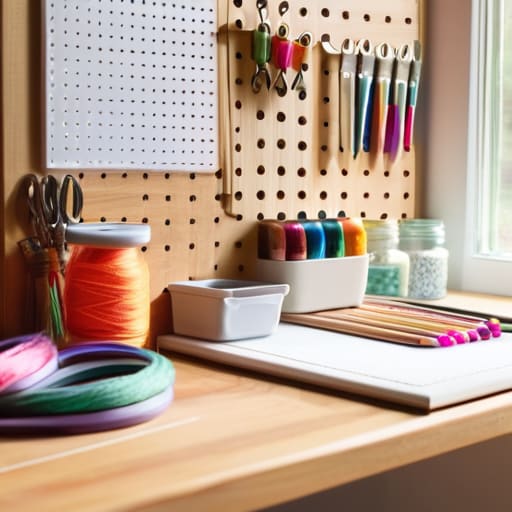
When we’re working with limited square footage, every inch of our environment needs to serve a purpose. I’ve found that when my own workspace felt cramped, my creativity would feel just as constricted. To combat this, I highly recommend leaning into small space craft storage solutions that utilize verticality. Think about those often-overlooked walls; installing floating shelves or pegboards can transform a tiny corner into a functional sanctuary. By lifting your supplies off the desk surface, you create a sense of visual lightness that allows your mind to focus on the joy of creating rather than the stress of the mess.
Another game-changer for those of us in cozy studios is the magic of transparency. I’m a huge advocate for using clear bins for craft storage because they eliminate the “decision fatigue” that comes from digging through opaque containers. When you can see your colorful threads or beads at a glance, you stay in that beautiful, meditative flow state longer. It’s not just about tidiness; it’s about creating a seamless, intuitive environment where your tools are always ready to support your soul’s expression.
Five Intentional Rituals to Curate Your Creative Sanctuary
- Group your supplies by “energy type” rather than just size. I’ve found that keeping all my watercolor sets, brushes, and palettes in one dedicated zone—rather than scattering them—allows my brain to transition into a “flow state” much faster because I’m not hunting for tools mid-inspiration.
- Implement a “one-in, one-out” rule to honor your space. Whenever we bring a new, exciting set of markers or a fresh skein of yarn into our homes, I like to pause and ask if there’s something old that no longer serves my current creative season. It keeps the cupboard from feeling heavy and overwhelming.
- Use clear, breathable containers to maintain visual clarity. There’s something so soothing about seeing your colorful threads or beads through a glass jar; it turns your supplies into a sort of visual meditation, reminding you of the beautiful possibilities waiting for you.
- Label with intention, not just for organization. Instead of just writing “Thread,” try labeling a bin “Stitching Joy.” It sounds a bit whimsical, I know, but it shifts your perspective from “managing chores” to “preparing for a moment of self-care.”
- Create a “Waiting Room” bin for undecided items. If you find yourself holding onto scraps or supplies you’re unsure about, don’t let them clutter your main shelves. Put them in a temporary bin; if you haven’t reached for them in a month, it’s a gentle sign from your intuition that it’s time to let them go.
Finding Harmony in Your Creative Sanctuary
Remember that organizing your craft cupboard isn’t just about tidiness; it’s about creating a rhythmic, intentional space that honors your creative flow and reduces mental friction.
Use small, visible storage solutions to give your tools a “home,” allowing you to spend less time searching and more time deeply immersed in the joy of making.
Treat your craft space as a living extension of your well-being, where a little bit of regular, mindful curation can prevent overwhelm and keep your passion flourishing.
Finding Flow in the Chaos
“Organizing your craft cupboard isn’t just about tidying up bins and labels; it’s about honoring your creative spirit by clearing the physical noise so your intuition can finally speak.”
Sophia Reynolds
Finding Your Creative Flow
As we wrap up this journey of transformation, I hope you can see that organizing your craft cupboard is about so much more than just finding a place for your ribbons or beads. By implementing mindful decluttering and embracing smart, small-space storage solutions, you aren’t just tidying a room; you are actually cultivating a sanctuary. We’ve looked at how clearing the physical chaos can quiet the mental noise, allowing you to move from a state of overwhelm to a state of intentional creation. Remember, every bin you label and every drawer you clear is a step toward reclaiming your mental energy and making room for the projects that truly set your soul on fire.
At the end of the day, please remember that your craft space should serve you, not the other way around. If a system feels too rigid or a container feels too precious, let it go—your creativity needs room to breathe and even a little bit of “beautiful mess” to thrive. I truly believe that when we curate our surroundings with intention, we are sending a powerful message to ourselves that our passions are worthy of respect. So, take a deep breath, step into your newly organized space, and let the joy of making take center stage. You’ve built the foundation; now, go out there and create something wonderful.
Frequently Asked Questions
How can I stay organized without feeling like I'm constantly spending my precious creative time just managing my supplies?
I hear you, and honestly, I’ve been there—stuck in that cycle where “prep work” starts feeling like a second job. To break free, try the “Zone Method.” Group your supplies by project type rather than just size. When everything you need for a specific flow is in one reachable spot, you spend less time hunting and more time creating. Think of it as setting the stage for your creativity to dance, rather than just managing inventory.
What are some budget-friendly ways to create beautiful, calming storage if I don't have a huge space to work with?
I completely hear you—you don’t need a massive budget to create a sanctuary. I always tell my clients that beauty often lies in intentionality, not price tags. Try repurposing glass jars from your pantry for colorful threads or beads; they look stunning when grouped together. Even some inexpensive wicker baskets from a local thrift store can add a warm, organic texture to your shelves, turning “storage” into a curated, calming experience for your soul.
How do I decide which supplies are actually worth keeping and which ones are just taking up mental and physical space?
This is such a common hurdle, and honestly, it’s more about emotional energy than actual square footage. When I’m sorting through my own supplies, I use the “Joy and Utility” check. Ask yourself: Does this spark a genuine desire to create right now, or am I just holding onto it out of guilt for what I spent? If a supply doesn’t serve your current creative season, let it go. Freeing that physical space actually clears the mental fog.