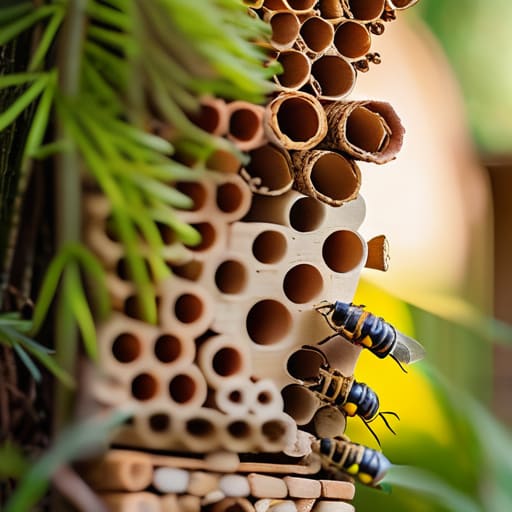
I was sitting on my back porch last summer, nursing a lukewarm matcha and feeling that familiar, frantic corporate hum buzzing in my brain, when I noticed a tiny solitary bee hovering near my lavender. It looked so purposeful, yet so vulnerable in the vastness of my manicured lawn. It hit me then: we spend so much time trying to “optimize” our own lives that we completely forget to create space for the tiny ecosystems right under our noses. Most people think you need a massive budget or a degree in entomology to support local biodiversity, but the truth is, learning how to build a bug hotel is actually one of the most grounding, meditative ways to reconnect with the rhythm of nature.
In this guide, I’m stripping away the complexity to give you a soulful, hands-on approach to garden wellness. I won’t overwhelm you with endless technical jargon; instead, I’ll share the exact, practical steps to craft a sanctuary using simple materials you likely already have in your shed. We’re going to explore how to build a bug hotel that isn’t just a decorative garden piece, but a living, breathing refuge for your local pollinators. Let’s slow down, get our hands a little dirty, and build something meaningful together.
Table of Contents
- Step-by-Step Instructions
- Creating Solitary Bee Nesting Sites for Garden Harmony
- Boosting Biodiversity in Backyard Gardens Through Mindful Construction
- Little Details for a Big Impact: My Top 5 Tips for a Thriving Bug Hotel
- Small Steps Toward a More Connected Garden
- Finding Connection in the Smallest Details
- Nurturing Your Little Corner of the World
- Frequently Asked Questions
Guide Overview
Tools & Supplies
- Hammer and nails or screwdriver to assemble the frame
- Handsaw to cut wooden planks to size
- Wooden pallet or scrap timber for the outer frame
- Bamboo canes or hollow reeds for nesting tubes
- Pinecones and dried leaves for filler material
- Bark and twigs for texture and crevices
Step-by-Step Instructions
- 1. First things first, let’s gather our materials. I like to think of this as setting the stage for a little bit of garden magic. You’ll need a sturdy wooden frame—an old crate or even some scrap cedar works beautifully—and a variety of “guest amenities” like hollow bamboo stalks, pinecones, dry leaves, and even some old terracotta pot shards. Remember, the goal isn’t perfection; it’s about providing diverse textures for our tiny friends to explore.
- 2. Once you have your supplies, it’s time to prepare your base. Take your wooden frame and make sure it’s stable and upright. I always find that placing the hotel in a quiet, sunny corner of the garden helps, as it mimics the natural warmth many insects crave. Think of it as choosing the perfect, peaceful spot for a guest to check into a boutique hotel.
- 3. Now, let’s start layering in the “rooms.” Begin by stuffing the bottom of your frame with larger items like thick twigs or bark to create a solid foundation. This prevents the smaller, more delicate materials from shifting around. It’s a bit like setting the foundation of a house; you want it to feel grounded and secure before you start adding the finer details.
- 4. Next, we get to the fun part: the specialized suites! Take your hollow bamboo stalks or dried reeds and bundle them together tightly. These are absolute favorites for solitary bees who love a good, cozy tunnel. I find that carefully tucking these into the frame ensures they stay put even when the wind picks up during a summer storm.
- 5. To keep things interesting, let’s add some variety with textures. Scatter your pinecones, dried seed heads, and even some bits of bark into the remaining gaps. This creates those nooks and crannies that ladybugs and lacewings find so irresistible. It’s all about creating a rich tapestry of habitats so that every different species can find its own unique way to settle in.
- 6. As you reach the final layers, use some smaller items like dried leaves or bits of moss to fill in any lingering holes. You want the hotel to look densely packed but not so compressed that there’s no room to breathe. I always tell my clients that just like in our own lives, balance is everything—we want plenty of structure, but also plenty of space to exist.
- 7. Finally, take a deep breath and step back to admire your handiwork. Your job isn’t quite done, though; the real magic happens when you observe and reflect. Check in on your little sanctuary every few weeks to see who has moved in. It’s a wonderful way to practice mindful connection with the natural world right outside your own back door.
Creating Solitary Bee Nesting Sites for Garden Harmony
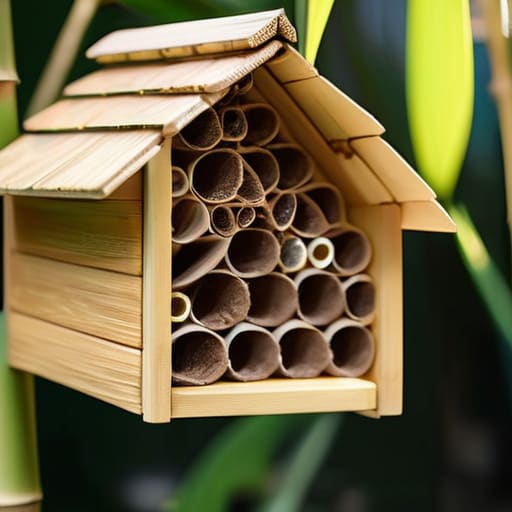
While the main structure of your bug hotel provides a wonderful foundation, I’ve found that adding specific elements for solitary bees can truly transform your space into a thriving ecosystem. Unlike honeybees, these little solo travelers don’t live in large hives; instead, they look for tiny, individual crevices to call home. By incorporating hollow reeds or even bored-out wooden blocks, you are essentially providing bespoke real estate for these vital pollinators. I remember my first attempt at this back in Oregon—I was so focused on the “build” that I forgot to think about the “residents.” Once I added some bamboo stalks, the garden felt instantly more alive.
Creating these specialized solitary bee nesting sites is one of the most rewarding ways to foster biodiversity in backyard gardens. When you invite these specific guests, you aren’t just decorating; you are implementing a form of natural pest control. As they move through your flowers, they keep your garden healthy and balanced. It’s a beautiful reminder that when we make a little room for nature, the entire environment begins to flourish in ways we never expected.
Boosting Biodiversity in Backyard Gardens Through Mindful Construction
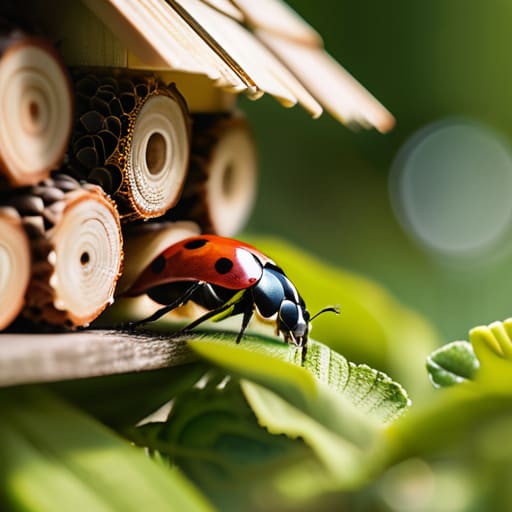
When we talk about building these little sanctuaries, it’s easy to get caught up in the “how-to” of the construction itself. But I’ve found that the real magic happens when we shift our focus toward the bigger picture: fostering biodiversity in backyard gardens. Instead of viewing your garden as just a collection of plants, try to see it as a living, breathing ecosystem. By adding these eco-friendly garden structures, you aren’t just completing a DIY project; you are actively inviting a diverse cast of characters to take up residence in your personal slice of nature.
I remember during my time as a wellness consultant, I realized that our environments impact our mental clarity just as much as our diet does. When you witness the subtle rhythm of beneficial garden insects moving through your space, it creates a sense of connection that is incredibly grounding. To truly boost this harmony, try to surround your hotel with native flowering plants. This creates a holistic loop where your new tiny neighbors have both a home and a feast, turning your backyard into a vibrant, self-sustaining refuge that nourishes both the earth and your soul.
Little Details for a Big Impact: My Top 5 Tips for a Thriving Bug Hotel
- Location is everything. I’ve learned from my own garden experiments that you want to place your hotel in a spot that gets plenty of morning sun but stays tucked away from heavy winds. Think of it as finding that perfect, cozy corner of a café where you can actually focus.
- Variety is the secret sauce for biodiversity. Don’t just stick to one type of material; mix in hollow bamboo stalks, old pinecones, and even some bark. It’s just like how we need a variety of self-care practices—sometimes we need a deep meditation, and sometimes we just need a brisk walk to feel balanced.
- Keep it sturdy and stable. There’s nothing more unsettling than a foundation that shifts. Make sure your structure is securely anchored so that your tiny guests don’t feel like they’re living in a house of cards. Stability creates the safety they need to thrive.
- Avoid the temptation to use treated wood. I know it’s tempting to grab something from the hardware store that’s “ready to go,” but those chemicals can be really harmful to the very creatures we’re trying to welcome. Stick to natural, untreated materials to keep their little sanctuary pure.
- Practice the art of “mindful maintenance.” Every now and then, take a quiet moment to check in on your hotel. You don’t need to disturb the inhabitants, but a quick glance can help you see if anything needs a little tightening or if more nesting material is needed. It’s a beautiful way to stay connected to the rhythm of your garden.
Small Steps Toward a More Connected Garden
Remember that building a bug hotel isn’t just a weekend DIY project; it’s a conscious act of stewardship that invites nature to slow down and settle into your personal space.
By focusing on diverse materials—from hollow reeds to textured bark—you aren’t just building structures, you’re creating a multi-sensory sanctuary that supports the delicate rhythm of local biodiversity.
The real magic happens when we shift our perspective from “managing” a garden to “co-existing” with it, finding our own sense of peace in the quiet, busy life of the tiny creatures we’ve helped shelter.
Finding Connection in the Smallest Details
“Building a bug hotel is so much more than just a weekend DIY project; it’s a beautiful, quiet invitation to slow down and realize that when we create space for the smallest creatures to thrive, we’re actually nurturing the very rhythm of life that keeps us grounded, too.”
Sophia Reynolds
Nurturing Your Little Corner of the World
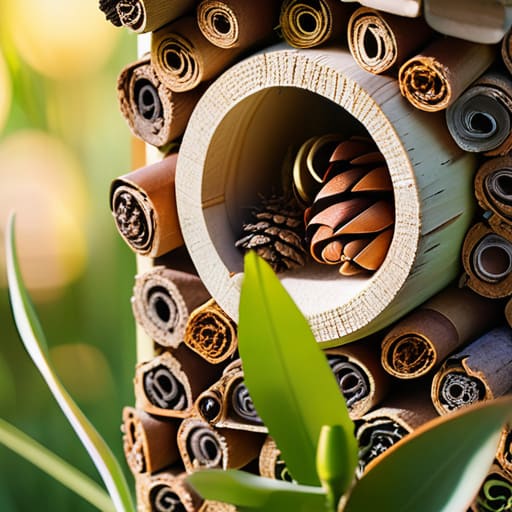
As we wrap up our little project, I hope you can feel a sense of quiet pride in what you’ve accomplished. By carefully selecting your materials—from those hollow reeds for our solitary bee friends to the textured bark and pinecones for the ladybugs—you haven’t just built a structure; you have created a living ecosystem. We’ve explored how to layer different textures to invite various species and how to position your hotel in a sunny, sheltered spot to ensure it truly serves its purpose. Remember, building a bug hotel is less about following a rigid blueprint and more about cultivating intentionality within your garden, ensuring that every nook and cranny serves a purpose for the tiny lives that sustain our planet.
Beyond the physical construction, I want you to think about what this process represents for your own well-being. In our frantic, digital-first world, taking the time to get your hands a little dirty and connect with the rhythm of nature is a profound act of self-care. When you sit on your porch and watch a beetle find its new home, I hope you take a deep breath and realize that you are part of something much larger than your daily to-do list. Let this garden sanctuary be a constant reminder to slow down and observe the small, beautiful miracles happening right beneath your feet. You aren’t just gardening; you are practicing the art of being present.
Frequently Asked Questions
Will adding a bug hotel to my garden accidentally attract more pests that might harm my flowers?
I completely understand that worry—it’s a common concern when we start inviting more “neighbors” into our little garden sanctuaries. But here’s the beautiful thing: a well-designed bug hotel actually acts as a natural balancing force. By attracting beneficial insects like ladybugs and lacewings, you’re essentially hiring a tiny, unpaid security team to patrol your flowers and keep the “bad” pests in check. It’s all about fostering that gorgeous, natural equilibrium.
How often should I check on the hotel to make sure it's actually being used and staying healthy?
Think of your bug hotel like a new houseplant—it needs a little love, but not constant hovering! I suggest a gentle check-in about once a week. Just a quick stroll through the garden to ensure the structure is still sturdy and hasn’t become overly damp from the rain. If you see some tiny residents moving in, celebrate that win! Just remember: observe with curiosity, but let them settle in without too much interference.
Do I need to worry about the hotel getting too damp or moldy if it rains frequently in my area?
That is such a thoughtful question, and honestly, it’s one I hear a lot! Living in a rainy climate can definitely feel a bit daunting when you’re trying to create a sanctuary. The short answer is: yes, moisture is something we want to manage. I always suggest placing your bug hotel in a spot that gets plenty of airflow and some natural sunlight. Think of it like creating a cozy, breezy porch rather than a closed-in room!