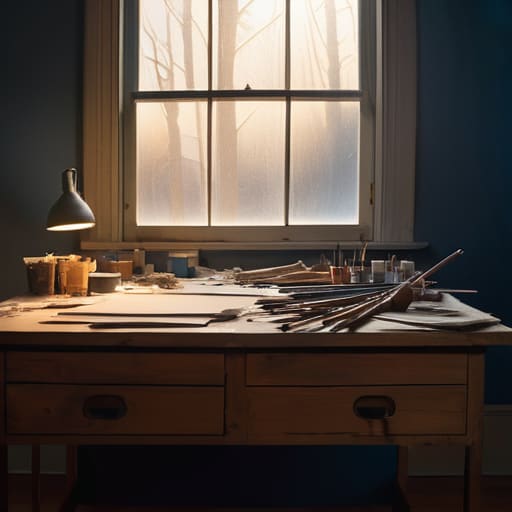
I remember sitting on my yoga mat in my tiny apartment, staring at a blank notebook while the sun dipped below the California coastline, feeling absolutely nothing. The silence wasn’t peaceful; it was heavy, suffocating, and filled with the quiet panic of a mind that had suddenly gone dry. I had spent years studying the mechanics of the brain at Stanford, yet nothing in a textbook quite prepared me for that hollow sensation of staring at a screen and realizing I had lost my spark. If you’re currently sitting there wondering how to handle a creative slump without losing your mind, please know that I’ve been in that exact, quiet darkness, and I know how much it hurts to feel disconnected from your own passion.
I’m not here to sell you a ten-step “hustle harder” framework or a magic productivity app that promises instant inspiration. Instead, I want to offer you a more gentle, evidence-based approach to reclaiming your flow. We’re going to move past the superficial quick fixes and dive into how you can actually listen to your body and mind to navigate these seasons of stillness. My promise to you is simple: no fluff, just honest, soulful strategies to help you find your way back to yourself.
Table of Contents
- Recognizing the Quiet Whispers of Artistic Burnout Symptoms
- Honoring the Pause to Protect Your Mental Health for Artists
- Gentle Shifts to Reconnect with Your Creative Spark
- Embracing the Rhythm of Your Creative Seasons
- Reclaiming Your Inner Spark
- Finding Your Way Back to the Light
- Frequently Asked Questions
Recognizing the Quiet Whispers of Artistic Burnout Symptoms
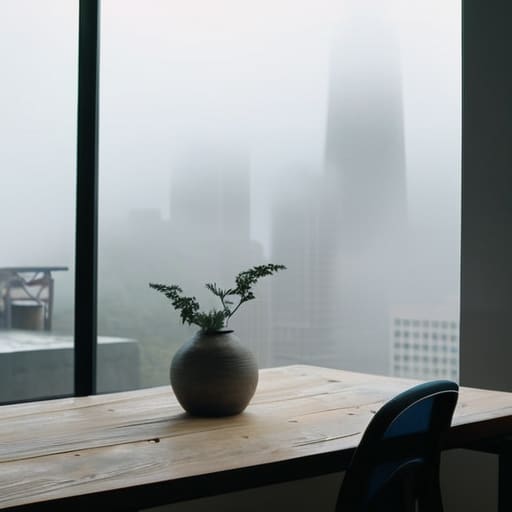
Sometimes, the signs don’t arrive with a bang; they creep in like a slow, heavy fog. I remember back when I was consulting for a high-pressure tech firm in San Francisco, I noticed so many brilliant people ignoring the subtle shifts in their own energy. You might find yourself staring at a blank screen for hours, not because you lack ideas, but because the very thought of creating feels physically exhausting. This is one of the most common artistic burnout symptoms—that sense that your internal well has simply run dry, leaving you feeling hollow instead of inspired.
It’s also more than just “feeling stuck.” It often manifests as a profound sense of cynicism toward your own craft. You might start questioning why you even bother, or feel a strange resentment toward the projects that used to bring you joy. When your usual process starts to feel like a chore rather than a release, it’s a signal from your nervous system. Instead of pushing through the fatigue, try to see these moments as a gentle invitation to pause. Listening to these quiet whispers is the first essential step toward rekindling creative passion and finding your way back to yourself.
Honoring the Pause to Protect Your Mental Health for Artists
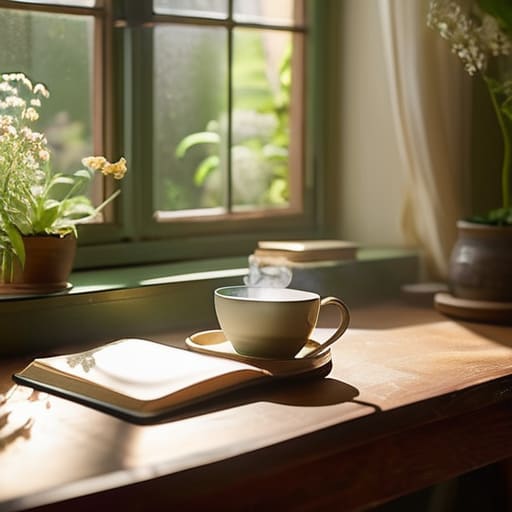
I remember a time during my corporate consulting days when I thought pushing through a wall was the only way to win. I’d sit at my desk, staring at a blank screen, convinced that if I just worked harder, the ideas would eventually come. But that’s not how the brain works; it’s more like a garden that needs a fallow season to regain its nutrients. When we talk about mental health for artists, we have to stop viewing rest as a luxury or a sign of weakness. In reality, stepping away is a strategic necessity. It is the act of giving your nervous system permission to recalibrate.
Instead of fighting the emptiness, try leaning into it. When I feel that heavy stagnation setting in, I stop trying to force a breakthrough and instead focus on gentle sensory reconnection. Maybe that’s a long walk without a podcast, or simply sitting with a cup of tea and watching the light change in the room. By honoring this pause, you aren’t losing time; you are actually rekindling creative passion by clearing out the mental clutter that prevents new ideas from taking root.
Gentle Shifts to Reconnect with Your Creative Spark
- Lower the stakes and embrace the “bad” idea. When I was working in corporate wellness, I saw so many people paralyzed by perfectionism. I tell my clients all the time: give yourself permission to create something truly terrible. Write a messy paragraph, sketch a wonky doodle, or play a discordant chord. By removing the pressure to be brilliant, you clear the emotional debris that’s blocking your flow.
- Change your sensory landscape. Sometimes, a slump isn’t a lack of talent; it’s just sensory stagnation. I’ve found that if I’m feeling stuck, a simple shift—like moving my laptop to a sun-drenched corner of the porch or switching from a quiet room to a bustling cafe—can trick the brain into a state of renewed curiosity. Your environment is the soil your creativity grows in; make sure it isn’t feeling a bit too dry.
- Practice “Input Without Output.” We often feel guilty when we aren’t producing, but your creative well needs refilling. Go to a museum, get lost in a novel, or spend an afternoon people-watching at the park. Think of this as nourishing your internal library. You aren’t being “unproductive”; you are gathering the raw materials that will eventually fuel your next great idea.
- Implement the “Micro-Movement” rule. When the mountain of a big project feels too steep to climb, don’t look at the summit. Just look at your feet. Commit to just five minutes of engagement—five minutes of editing, five minutes of research, or five minutes of organizing your supplies. Often, the hardest part of the creative process is simply breaking the seal of inertia.
- Reconnect through non-competitive play. I remember during my time in grad school, I used to get so boggedance down by my thesis that I’d forget how to just be. Try engaging in a hobby that has absolutely nothing to do with your main craft—pottery, gardening, or even a complex puzzle. This allows your “creative muscle” to rest while your “play muscle” takes the lead, often sparking unexpected connections in your subconscious.
Embracing the Rhythm of Your Creative Seasons
Shift your perspective from seeing a slump as a failure to viewing it as a necessary period of dormancy, much like how nature requires winter to prepare for the bloom of spring.
Practice “low-stakes creation” by engaging in hobbies that have zero pressure for perfection, allowing your brain to rediscover the pure, unadulterated joy of making something just for the sake of it.
Reconnect with your “why” through mindful reflection, ensuring that when you do return to your craft, you are fueled by genuine passion rather than the hollow pursuit of productivity.
Reclaiming Your Inner Spark
“A creative slump isn’t a sign of failure; it’s your soul’s way of asking for a seasonal rest. Instead of fighting the silence, try leaning into it—because sometimes, we have to let the soil go fallow before we can truly bloom again.”
Sophia Reynolds
Finding Your Way Back to the Light
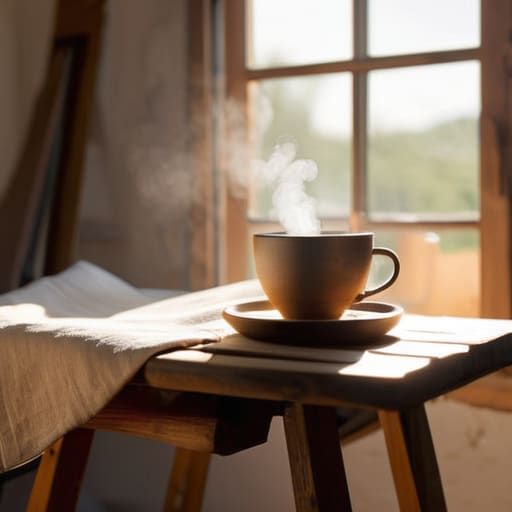
As we navigate these heavy, quiet stretches, please remember that what you’re experiencing isn’t a failure of talent, but a signal from your nervous system. We’ve talked about how vital it is to recognize those early whispers of burnout and, more importantly, how to honor the pause rather than fighting against it. By shifting your focus from constant output to intentional rest and mental preservation, you aren’t losing time; you are actually rebuilding your foundation. Whether it’s through mindfulness, setting boundaries, or simply allowing yourself to exist without the pressure of being “productive,” these steps are the bridge that leads you out of the slump and back to your creative center.
I remember a time back in my corporate days when I thought stopping meant I was falling behind, but I eventually learned that even the most vibrant gardens need a season of dormancy to bloom again. Your creativity is not a bottomless well; it is a living, breathing part of you that requires nourishment and patience. So, if you find yourself in a winter phase right now, breathe deeply and trust the process. This stillness is not the end of your story—it is merely the quiet breath before your next great movement. You are going to find your spark again, and it will be more radiant than ever before.
Frequently Asked Questions
How can I tell the difference between a temporary creative slump and actual, deep-seated burnout that requires professional help?
It’s a distinction that even my most seasoned clients struggle with. Think of a slump like a rainy afternoon—it’s heavy and grey, but you know the sun will eventually break through. Burnout, however, feels like a permanent eclipse. If you feel a profound sense of cynicism, a complete loss of identity, or if your physical health is starting to fray, please don’t just “push through.” That’s your soul signaling it needs professional support.
I feel so much guilt when I'm not being "productive"—how do I stop that inner critic from sabotaging my rest?
Oh, I hear you so deeply. I used to carry that same heavy knot in my stomach whenever I wasn’t “doing” something. Here’s a little secret from my psychology days: rest isn’t a reward for productivity; it’s the requirement for it. When that inner critic starts whispering, try reframing it. Instead of saying “I’m being lazy,” tell yourself, “I am actively recharging my creative well.” You aren’t wasting time; you’re tending to your most important tool.
Are there any small, low-pressure creative exercises I can try to gently nudge the spark back without feeling overwhelmed?
I totally get that feeling of wanting to move, but being terrified of the heavy lifting. When I was in the corporate grind, I used “micro-dosing” creativity to stay sane. Try something low-stakes, like doodling on a napkin while sipping tea or writing just three sentences in a journal—no pressure for them to be “good.” It’s about the movement, not the masterpiece. Think of it as gentle stretching for your creative muscles.