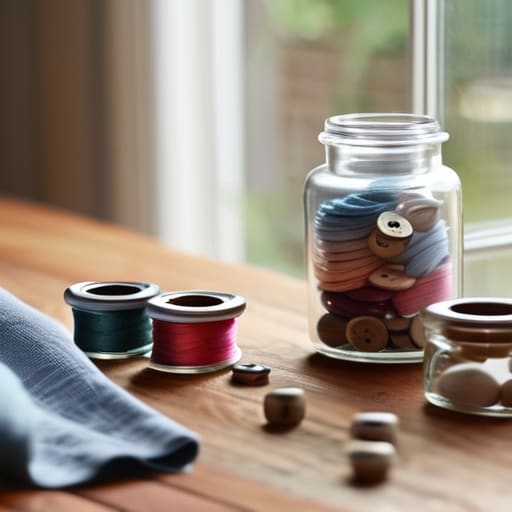
I remember sitting on my floor in my first tiny apartment, surrounded by mountains of half-finished crochet projects and skeins of yarn that had become more of a burden than a joy. I could feel the weight of them—not just the physical mass, but the silent guilt of every “someday” project I hadn’t started. It’s that suffocating feeling when your creative sanctuary starts feeling more like a storage unit, making you wonder exactly how to declutter a craft stash without feeling like you’re mourning a lost version of yourself.
I’m not here to give you a rigid, clinical checklist or tell you to toss everything that doesn’t spark immediate joy—that’s easy to say, but incredibly hard to do when your heart is in your hands. Instead, I want to share a more mindful, gentle approach rooted in intentionality and psychological ease. We’re going to walk through this process together, using evidence-based habits to help you distinguish between true creative potential and mere clutter, so you can finally reclaim your space and your peace of mind.
Table of Contents
Cultivating a Mindful Decluttering Mindset for Crafters
Before we even touch a single bin or drawer, I want you to take a moment to check in with yourself. Often, we approach cleaning our spaces as a chore to be conquered, but I’ve learned through my own journey from the corporate grind that true change starts internally. Developing a healthy decluttering mindset for crafters isn’t about deprivation; it’s about making room for the projects that actually make your heart sing. When we hold onto every scrap of fabric or half-used bottle of paint out of guilt, we aren’t preserving creativity—we’re actually suffocating it under the weight of “what ifs.”
Try to shift your perspective from getting rid of things to making space for what matters. This is the essence of creative minimalism. Instead of viewing a pile of old beads as a mess, see it as an opportunity to decide what truly serves your current artistic season. Ask yourself: Does this material spark genuine excitement, or is it just taking up mental bandwidth? By approaching your supplies with intention rather than obligation, you transform a daunting task into a beautiful act of self-care.
Finding Peace Through Creative Minimalism
I remember sitting on my floor in my first apartment, surrounded by mountains of half-finished embroidery hoops and skeins of yarn that I hadn’t touched in years. I felt suffocated by my own potential. That was the moment I realized that creative minimalism isn’t about stripping away your passion; it’s about making room for the projects that actually make your heart sing. When we surround ourselves with excess, our creative energy often gets scattered, trying to satisfy every “what if” instead of focusing on the “what is.”
By embracing a more intentional way of managing hobby supplies, you aren’t just cleaning a room—you are curating an experience. I’ve found that when I limit my active palette, my decision fatigue vanishes. Instead of staring at a chaotic sea of beads and buttons, I can finally see the vision for my next piece. It’s about shifting from a mindset of accumulation to one of purposeful selection. When you choose to keep only what inspires you, your workspace transforms from a source of stress into a sanctuary for your soul.
Five Gentle Ways to Untangle Your Creative Chaos
- Start with the “Joy Audit.” Instead of looking at your supplies as mere objects, hold each piece in your hands and ask, “Does this spark excitement for a future project, or am I just holding onto it out of guilt?” If it feels like a heavy obligation rather than an inspiration, it’s time to let it go.
- Embrace the “One-In, One-Out” Rule. To prevent that familiar mountain of supplies from creeping back into your studio, try making a pact with yourself: for every new skein of yarn or set of watercolors you bring home, one old item must find a new home with someone who will truly cherish it.
- Use the “Container Concept” to set healthy boundaries. Rather than trying to organize an infinite supply, decide on a specific beautiful basket or drawer for a certain medium—say, your embroidery threads. Once that container is full, you’ve reached your limit, which naturally encourages more intentional purchasing.
- Create a “Maybe Box” for those tricky emotional attachments. We’ve all been there—staring at a fabric scrap that feels too special to toss but too small to use. Put these items in a dedicated box and tuck it away for thirty days. If you don’t find yourself reaching for them during that month, you’ll know you’re ready to part with them.
- Practice “Micro-Decluttering” sessions to avoid overwhelm. You don’t need to tackle the entire craft room in one afternoon—that’s a recipe for burnout! Instead, set a timer for just fifteen minutes and focus on one tiny area, like a single junk drawer or a bin of scraps. It’s much easier to find your flow when the task feels manageable and kind to your energy levels.
Embracing the Lightness of a Curated Creative Life
Remember that your worth as a maker isn’t tied to the volume of your supplies; true creativity flourishes in the space you create, not the clutter you accumulate.
View every item you let go of as a way to make room for the projects that actually set your soul on fire, rather than the ones you feel “guilty” for owning.
Treat the decluttering process as an act of self-care, allowing yourself to move slowly and honor the memories attached to your materials without letting them stall your progress.
Releasing the Weight of 'Someday'
“When we cling to every scrap of fabric or half-used skein of yarn, we aren’t just hoarding supplies; we’re hoarding the heavy, unfinished versions of ourselves. Letting go of the stash isn’t about losing your creativity—it’s about clearing the physical and mental space required to let your true, present-moment inspiration finally breathe.”
Sophia Reynolds
Honoring Your Creative Journey
As we wrap up this journey of letting go, I want you to take a moment to look around your newly breathed-upon space. We’ve moved through the mental shifts required to change your relationship with “stuff,” transitioned from the overwhelm of excess to the intentionality of creative minimalism, and learned that decluttering isn’t about deprivation—it’s about curating your inspiration. By releasing the weight of those unused skeins or half-finished projects that no longer speak to you, you haven’t lost your creativity; rather, you have cleared the path for your most authentic work to finally emerge.
Remember, your craft room should be a sanctuary, a place where your soul feels nourished rather than crowded. It is perfectly okay if this process feels a little bittersweet at times; after all, we are untangling our histories as much as our supplies. But as you sit down to your next project, I hope you feel a profound sense of lightness. Let this newfound space be a gentle reminder that when we make room for what matters, we create the ultimate environment for joy to flourish. Now, take a deep breath, pick up your favorite tool, and simply enjoy the magic of creating again.
Frequently Asked Questions
How do I deal with the guilt of letting go of expensive materials I never actually used?
Oh, I have been exactly where you are. I remember staring at a beautiful, expensive bolt of silk in my studio, feeling this heavy knot of guilt because I wasn’t using it. But here’s the truth: that money is already spent. Holding onto it doesn’t bring the cash back; it only occupies your mental and physical space. Try reframing it—you aren’t “wasting” money; you’re liberating your energy to make room for projects that actually spark joy.
Is there a way to declutter without feeling like I'm losing my creative potential or "just in case" supplies?
I hear you, and honestly, I’ve been there too. That “just in case” feeling can be so paralyzing! Try reframing it: you aren’t losing potential; you’re clearing the path for it. I like to use the “active project” test. If you haven’t touched a supply in a year, it’s not a tool—it’s just mental clutter. Trust that your creativity lives in your hands and heart, not in a dusty bin of scraps.
What should I do with my leftover scraps and supplies so they don't just end up in a landfill?
I completely hear you—that “guilt” of throwing away perfectly good materials can feel so heavy. Instead of seeing them as waste, try viewing them as tiny seeds for future inspiration. I love the idea of “micro-projects”: using scraps for patchwork, stuffing small pillows, or even making textured collages. If you truly can’t use them, look into local art schools or community centers. They often cherish what we consider “leftovers,” turning your clutter into someone else’s masterpiece.