
I still remember sitting at my old desk in San Francisco, surrounded by half-empty matcha lattes and a mountain of sticky notes that felt more like clutter than clarity. I was chasing every “productivity hack” on the internet, frantically scribbling down ideas only to have them vanish into the void of my messy desk drawers the moment I actually needed them. It’s incredibly frustrating how we’re told that finding balance requires a complex, high-tech ecosystem of apps, when really, the struggle is much simpler: we just don’t know how to keep a list of techniques to try without it becoming another source of overwhelming mental noise.
I’m not here to sell you on a complicated new software or a rigid, soul-crushing system that feels like more work. Instead, I want to share how you can build a gentle, living repository of wellness and productivity tools that actually serves your life. We’re going to explore practical, evidence-based ways to capture those fleeting sparks of inspiration so they are ready for you exactly when you need to find your center. Let’s move away from the chaos and toward a way of organizing your growth that feels as natural as taking a deep breath.
Table of Contents
Building Your Personal Knowledge Management Systems
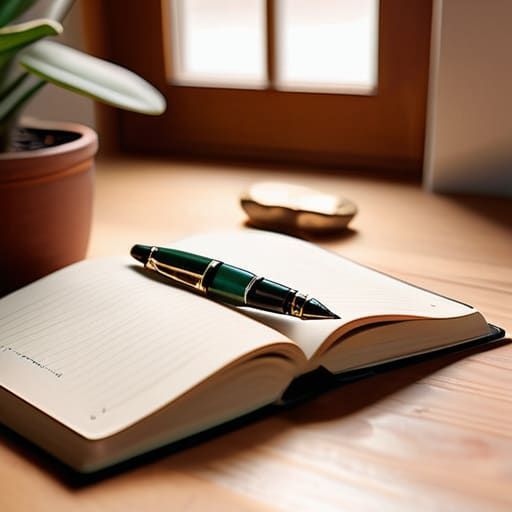
When I first transitioned from the high-pressure corporate world to life coaching, I realized that my brain was essentially a cluttered desk. I had all these brilliant ideas for mindfulness exercises and productivity hacks, but they were scattered across random sticky notes and half-remembered conversations. To find true clarity, I had to stop relying on sheer willpower and start building actual personal knowledge management systems. It isn’t about creating a rigid, intimidating database; it’s about creating a gentle, reliable home for your growth.
Think of this as curating a living library of your own evolution. Whether you prefer the tactile sensation of a linen-bound journal or the seamless flow of digital note-taking for skills, the goal is to reduce the cognitive load of remembering. By organizing learning goals into a central hub, you free up your mental energy to actually experience the practices rather than just worrying about where you wrote them down. It transforms a chaotic collection of “maybe one day” ideas into a structured, intentional roadmap for your most authentic self.
Tracking Experimental Methods With Intention

When I was working in the high-pressure corporate world, I used to treat every new productivity hack like a fleeting trend—I’d try a new time-blocking method on Tuesday, feel a spark of excitement, and then completely forget it by Friday. The problem wasn’t the techniques themselves; it was that I wasn’t tracking experimental methods with any real intention. I was just reacting to the noise instead of building a deliberate skill acquisition framework that actually served my long-term growth.
To move away from this cycle of “trial and error fatigue,” I started treating my list not just as a static collection of ideas, but as a living laboratory. Instead of just jotting down a random tip, I began noting how a specific practice actually made me feel—did it lower my cortisol, or did it just add more clutter to my brain? By curating a professional development backlog, you transform a simple list into a curated roadmap of self-discovery. It turns the process of learning into a gentle, rhythmic exploration rather than another chore on your to-do list.
Curating Your Toolkit: 5 Ways to Make Your Wisdom Stick
- Keep it low-friction. I learned this the hard way during my corporate years—if your system requires ten clicks and a login, you won’t use it when you’re actually feeling overwhelmed. Whether it’s a simple note on your phone or a dedicated page in a journal, make sure the path from “aha moment” to “recorded thought” is as smooth as possible.
- Categorize by “Energy Need” rather than just topic. Instead of a giant, intimidating list, try grouping techniques by how you feel in the moment. Do you need a “Quick Reset” for a five-minute break, or a “Deep Dive” for a weekend ritual? This makes your list a functional menu for your soul rather than just another to-do list.
- Give your ideas room to breathe with a “Trial Period.” When you find a new mindfulness practice or a productivity hack, don’t just jot it down and forget it. Mark it with a “test date” so you can commit to trying it for a week. It turns a passive list into an active laboratory for your well-being.
- Use sensory cues to anchor your notes. I’ve found that adding a tiny bit of context—like “this worked great on a rainy Tuesday when I felt stuck”—helps much more than a dry description. These little emotional breadcrumbs make the technique feel much more real and attainable when you revisit it later.
- Practice the art of the “Seasonal Purge.” Just like we declutter our homes to let new energy in, we need to declutter our mental toolkits too. Every few months, look through your list and gently let go of the practices that no longer resonate with who you are becoming. It’s okay to outgrow a habit; that’s just a sign of beautiful, continuous growth.
Small Steps Toward a More Intentional Life
Remember that your list isn’t a chore or a rigid to-do list; it’s a living, breathing sanctuary of possibilities that should feel as nourishing as it is organized.
Don’t be afraid to experiment and fail—the true magic lies in the process of noticing what actually resonates with your soul, rather than just following what’s trending.
Treat your collection of techniques with kindness, revisiting them gently when life feels a little too loud and you need a way to find your way back to center.
The Wisdom of the Archive
“Think of your list not as a daunting to-do list of things you’re failing to do, but as a gentle garden of possibilities—a sacred space where you store tiny seeds of intention, waiting for the exact moment your soul needs a little more light.”
Sophia Reynolds
Finding Your Rhythm in the Practice

As we wrap up this exploration, I want you to remember that your repository of wellness techniques isn’t just a static list or a digital folder; it’s a living, breathing extension of your self-care journey. By building a personalized knowledge management system and tracking your experiments with true intention, you are moving away from the frantic “trial and error” cycle and toward a more curated way of being. Whether you’re jotting down a breathing exercise that finally calmed your nervous system or noting how a specific morning ritual shifted your focus, these records serve as your personal compass. Remember, the goal isn’t to collect every single productivity hack under the sun, but to identify the specific rhythms that resonate with your unique soul.
Ultimately, please be gentle with yourself as you navigate this process. There will be days when your list feels overwhelming, and days when you forget to check it altogether—and that is perfectly okay. The magic doesn’t happen in the perfection of the system, but in the quiet moments of realization when you reach for a tool you once wrote down and find that it truly works. Treat your list as a sanctuary of wisdom rather than another chore on your to-do list. Trust that by honoring these small, intentional steps, you are building a foundation for a life that is not just efficient, but deeply and beautifully lived.
Frequently Asked Questions
How do I prevent my list from becoming just another overwhelming "to-do" list that actually adds to my stress?
Oh, I have been exactly where you are. When my corporate wellness spreadsheets started feeling like heavy weights, I realized I was treating self-care like a chore instead of a gift. To avoid that “to-do list” dread, stop viewing your list as a set of demands. Think of it as a menu of possibilities. Instead of “I must do this,” try “I might enjoy this.” It’s about permission, not pressure.
When I find a technique that works beautifully, how can I document the specific context of why it worked so I can replicate it later?
Think of it as capturing the “soul” of the moment, not just the mechanics. When a practice clicks, jot down the why alongside the what. Was it the quiet stillness of 6:00 AM that made the meditation stick? Or perhaps the specific way you paired a breathing exercise with your morning coffee? By noting the environment, your energy levels, and even your emotional state, you turn a fleeting success into a repeatable ritual.
Is there a way to organize these practices so I can easily find one that fits my current mood or energy level in the moment?
Oh, I love that question! It’s so easy to have a list of “good ideas” that feel completely useless when you’re actually feeling burnt out. I’ve found that tagging your practices by “energy state” is a total game-changer. Instead of just categorizing by topic, try grouping them into buckets like Low Energy/Restorative for those heavy afternoons, or High Energy/Focus for when you’re feeling sparked. It turns your list into a menu for your soul.