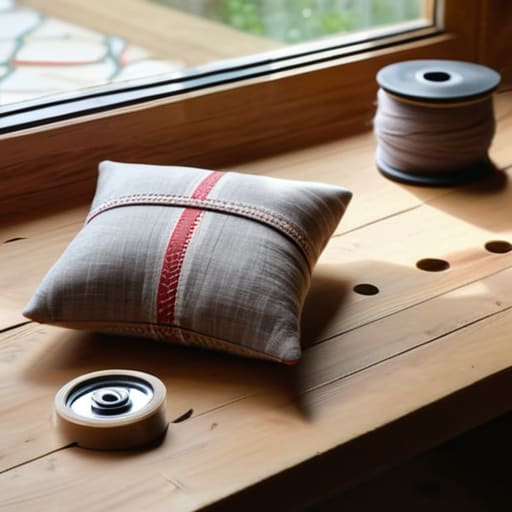
I remember sitting on the hard, unforgiving wooden bench in my entryway after a grueling ten-hour day at my old corporate job, feeling like my body was just absorbing the stress of the entire afternoon. I knew I needed a sanctuary, even if it was just a small corner of my home, but the thought of tackling a complex upholstery project felt completely overwhelming. Most people will tell you that learning how to make a bench cushion requires professional-grade equipment or a background in design, but that’s just not true. In reality, creating a soft place to land is much more about intentionality and simple steps than it is about having a fancy studio.
In this guide, I’m stripping away the intimidation factor to show you exactly how to make a bench cushion that actually feels as good as it looks. I won’t drown you in technical jargon or unnecessary fluff; instead, I’ll share the practical, hands-on methods I used to transform my own space into a mindful retreat. We’ll walk through everything from selecting the right, supportive foam to the final stitch, ensuring you walk away with a beautiful piece of functional art that invites you to finally, deeply, sit down and breathe.
Table of Contents
- Step-by-Step Instructions
- Choosing High Density Foam for Seating and Lasting Comfort
- Mastering Upholstery Fabric Selection for a Soulful Home
- Small Details, Big Impact: 5 Secrets for a Polished Finish
- Small Steps Toward a More Intentional Space
- The Soul in the Stitching
- Creating Your Sanctuary of Rest
- Frequently Asked Questions
Guide Overview
Tools & Supplies
- Sewing machine for stitching fabric and covers
- Fabric scissors for precise cutting
- Measuring tape for dimension accuracy
- Pins for holding fabric in place
- Upholstery foam (1 piece)
- Fabric (approx. 1-2 yards depending on size)
- Polyester batting (1 roll or sheet)
- Sewing thread (1 spool)
- Zipper (1 piece)
Step-by-Step Instructions
- 1. First, let’s gather our supplies, but let’s do it with intention. You’ll need a durable fabric of your choice—I love using heavy linens or cotton canvases because they feel so grounding—high-density foam for that perfect level of support, polyester batting to give it that soft, luxurious finish, a sewing machine, heavy-duty thread, and a measuring tape. Think of this as setting the stage for your creative ritual.
- 2. Once you have everything laid out, it’s time to measure your bench with precision. Measure the length and depth of the seating area, and then add an extra inch to each side to account for the thickness of the foam and the seam allowance. I remember a time during my corporate days when I tried to rush through a project without checking the specs, and it was a disaster; in sewing, as in life, taking that extra moment to be accurate saves so much heartache later.
- 3. Now, let’s cut our foam and fabric. Using a sharp electric carving knife or specialized foam shears, cut your foam to the dimensions you calculated. Next, lay your fabric face down and cut your fabric pieces, again remembering to include that crucial seam allowance. I find that focusing on the rhythmic motion of the cutting can actually be quite meditative, almost like a moving meditation.
- 4. It’s time to create the “envelope.” Take your two main fabric pieces and place them right sides together. Pin them along the edges, leaving one long side open—this is where we will eventually insert the foam. As you sew, try to breathe deeply and maintain a steady pace; it’s not a race, it’s about the quality of your connection to the craft.
- 5. Before we stuff it, let’s add the batting. Wrap your foam piece in a layer of polyester batting; this is the secret ingredient that gives a cushion that professional, high-end feel. It softens the edges and prevents the fabric from looking too “boxy.” I always tell my clients that it’s the small, unseen layers of support that truly make the biggest difference in our overall well-being.
- 6. Now, for the most rewarding part: the assembly. Turn your fabric cover right-side out through the opening you left, then carefully slide your wrapped foam inside. Once the foam is nestled perfectly, use a needle and thread to perform a hand-sewn ladder stitch to close the opening. This creates an almost invisible seam, leaving you with a beautiful, seamless cushion that invites you to sit down and simply be.
Choosing High Density Foam for Seating and Lasting Comfort
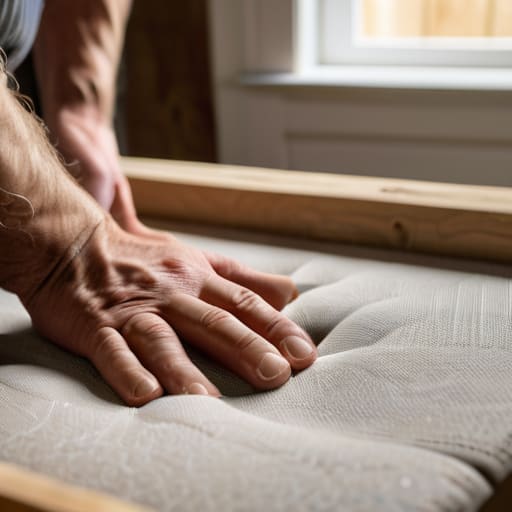
When you’re picking out materials, it’s easy to get swept up in the beautiful patterns of a textile, but I always tell my clients that the true soul of a piece lies in what you can’t see. For a bench that actually supports you rather than just looking pretty, investing in high density foam for seating is absolutely non-negotiable. I remember back when I was working in corporate wellness, I used to sit on these flimsy, low-quality office chairs that left me feeling more drained than rested. It’s a lesson learned the hard way: if the foundation isn’t solid, the comfort won’t last.
Think of your foam as the structural integrity of your mindfulness practice—it needs to be resilient. You’ll want a density that offers firm support without feeling like you’re sitting on a wooden plank. As you transition from the foam to your upholstery fabric selection, remember that the foam dictates how the fabric will drape and hold its shape over time. Choosing the right density ensures that your beautiful creation won’t sag after just a few months of use, allowing your home to remain a consistent sanctuary for rest.
Mastering Upholstery Fabric Selection for a Soulful Home
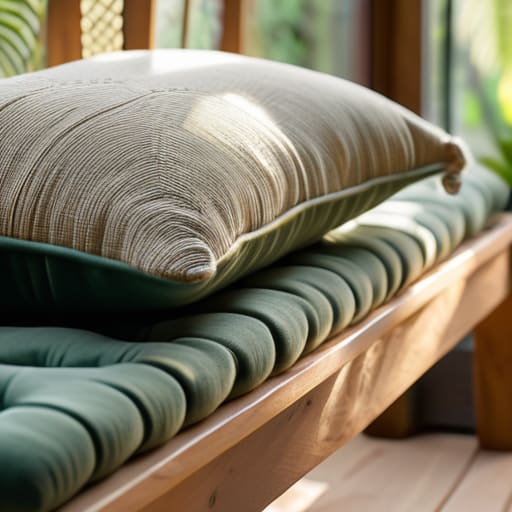
When we talk about creating a space that truly nurtures us, the tactile experience is everything. Choosing your material isn’t just about matching your decor; it’s about how a texture makes you feel when you finally sit down after a long day. During my time as a wellness consultant, I saw how much our physical environment impacts our nervous system. For a bench cushion, I always recommend leaning toward natural fibers like heavy linen or cotton velvets. These materials breathe beautifully and offer a sensory grounding that synthetic blends often lack.
As you dive into your upholstery fabric selection, keep in mind that durability is a form of self-care, too. You want a fabric that can withstand life’s messy, beautiful moments without needing constant replacement. If you’re working with something particularly substantial, don’t forget to adjust your sewing machine settings for thick fabric to avoid frustration. I once spent an entire afternoon fighting with a heavy canvas because I hadn’t changed my needle, and let me tell you, that’s not the kind of mindfulness I was aiming for! Take it slow, choose wisely, and let your materials reflect the peace you want in your home.
Small Details, Big Impact: 5 Secrets for a Polished Finish
- Don’t skip the “breathing room” when cutting your fabric; always add an extra inch to your measurements to account for the loft of the foam, ensuring your cover feels like a cozy hug rather than a tight, stressful squeeze.
- Before you commit to your final stitching, try a “sit test” with your foam inserts to see how they settle; it’s much easier to adjust your plan now than to realize later that the cushion feels a bit too bouncy for a relaxing afternoon.
- Invest in a high-quality upholstery thread—I know it sounds technical, but using a stronger thread is a tiny act of self-care for your future self, saving you from the frustration of seams unraveling when you’re just trying to unwind.
- Embrace the beauty of a hidden zipper; tucking the zipper closure away inside a seam not only gives your bench a professional, seamless look, but it also creates a calmer, more visually soothing space in your home.
- Remember that the corners are where the magic (and the struggle!) happens, so take your time with those precise turns—treating those tricky edges with patience is a wonderful way to practice mindfulness while you create.
Small Steps Toward a More Intentional Space
Remember that the quality of your materials, like choosing high-density foam, is an investment in your future self’s comfort and well-being.
View the crafting process not as a chore on your to-do list, but as a meditative practice of bringing beauty and intention into your home.
Don’t rush the details; whether it’s the precision of your measurements or the texture of your fabric, being present in the process is where the true fulfillment lies.
The Soul in the Stitching
“Making a bench cushion isn’t just about foam and fabric; it’s about intentionally crafting a soft place for your life to land. When we take the time to build our own comforts, we aren’t just completing a DIY project—we are designing the spaces where we finally give ourselves permission to pause and breathe.”
Sophia Reynolds
Creating Your Sanctuary of Rest
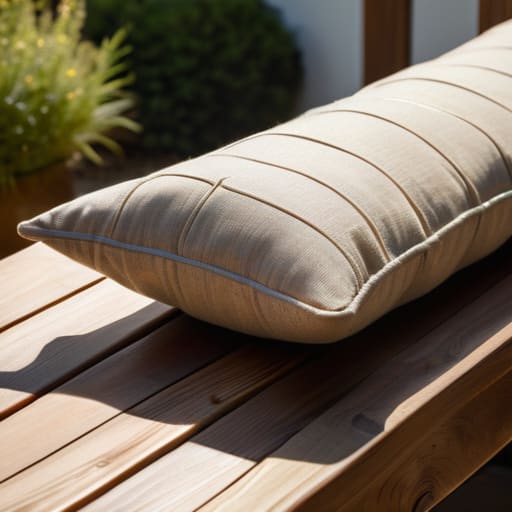
As we wrap up this little journey of creation, take a moment to look at what you’ve achieved. From selecting that perfect, high-density foam that promises years of support to hand-picking a fabric that speaks to your soul, you haven’t just made a piece of furniture; you’ve engineered a space for comfort. Remember that the secret to a long-lasting bench cushion lies in the intentionality of your materials and the precision of your measurements. By focusing on the quality of your foam and the durability of your upholstery, you’ve ensured that this project will serve your home—and your well-being—for a very long time.
Beyond the stitches and the foam, I hope you realize that this project was about more than just DIY home decor. It was an exercise in slowing down and being present in the process. In our frantic, high-speed world, there is something deeply healing about working with your hands to create a dedicated spot for stillness. Let this new bench be your invitation to pause and breathe whenever life feels a little too loud. Whether you’re sipping morning tea or unwinding after a long workday, may your handmade cushion always remind you that you deserve a space of peace and a life lived with intention.
Frequently Asked Questions
How can I make sure my cushion stays in place on the bench without sliding around every time I sit down?
Oh, I’ve been there! There is nothing more disruptive to a peaceful moment of rest than a cushion that decides to wander off every time you sit down. To keep your sanctuary stable, I highly recommend applying some heavy-duty non-slip rug padding underneath. If you want something even more secure, a few discreet strips of adhesive Velcro can work wonders. It’s all about creating that little bit of grounding so you can truly settle in.
Is there a way to add a little extra "fluff" or softness to the cushion without losing that essential structural support?
Oh, I love that question! It’s so much like life, isn’t it? We want the structure to keep us grounded, but we crave that softness to feel truly cared for. To get that “cloud-like” feel without losing support, try adding a layer of polyester batting or a thin topper of soft down alternative over your high-density foam. It adds a gentle, inviting hug to the surface while your foam does the heavy lifting underneath.
What are the best ways to care for my new fabric so it stays beautiful even if it's in a high-traffic area of my home?
Since you’ve put so much heart into choosing the perfect fabric, let’s make sure it stays lovely! For high-traffic spots, I always recommend a quick weekly vacuum with a soft brush attachment to prevent dust from settling into the fibers. If a spill happens, don’t panic—blot, don’t rub! A gentle touch preserves the integrity of the weave. Think of it as a small, mindful ritual to honor the beautiful space you’ve created.