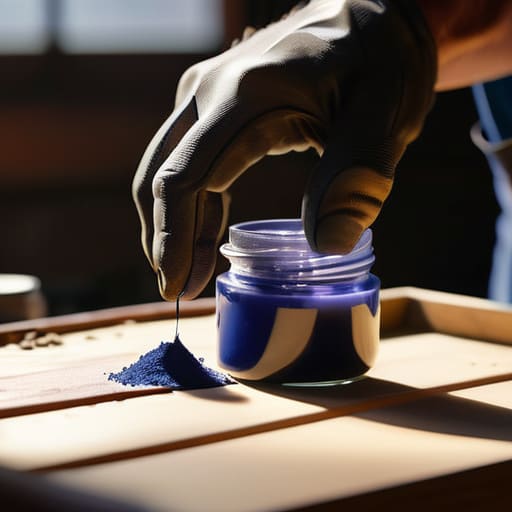
I still remember the stinging sensation in my hands after a long afternoon in my old studio, the scent of sawdust and industrial solvents hanging heavy in the air. I had been so focused on the project that I completely ignored the tightness in my skin, thinking I could just “tough it out” to get the job done. Looking back, I realize that ignoring the physical toll of our passions isn’t a badge of honor; it’s a recipe for burnout. Learning how to protect skin when working with materials shouldn’t feel like an extra chore or a complex science experiment—it should be a natural extension of how you care for yourself while you create.
I’m not here to sell you on a hundred-dollar luxury cream or a complicated twelve-step ritual that takes you away from your craft. Instead, I want to share some straightforward, evidence-based strategies that actually work for real people with busy lives. We are going to dive into practical ways to create a protective barrier between you and your medium, ensuring that your hands stay healthy and your focus stays on your work. Let’s learn how to honor your body so you can keep creating with joy for years to come.
Table of Contents
- Recognizing the Quiet Whispers of Skin Irritation Symptoms
- Mastering Protective Barrier Methods for Daily Peace
- Small Rituals of Care: My Top 5 Ways to Honor Your Skin
- Embracing Skin Care as an Act of Self-Respect
- Honoring the Vessel of Your Creativity
- Honoring Your Craft and Your Body
- Frequently Asked Questions
Recognizing the Quiet Whispers of Skin Irritation Symptoms

Sometimes, our bodies try to tell us something long before a full-blown crisis occurs. I remember during my corporate consulting days, I noticed a colleague constantly applying heavy lotion to her hands, trying to mask a persistent itch. She wasn’t realizing that those tiny, almost invisible signs were actually the first stage of skin irritation symptoms. It’s rarely a sudden explosion of discomfort; more often, it’s a subtle, creeping sensation—a slight tightness, a localized redness, or even a mild tingle after you’ve finished your tasks for the day.
Learning to distinguish these “quiet whispers” is a vital part of dermatological safety at work. If you notice your skin feeling unusually dry, flaky, or even slightly sensitive to the touch, don’t just brush it off as “part of the job.” These are your body’s way of asking for better protective barrier methods. By tuning into these early signals, you can adjust your routine—perhaps by switching to better gloves or changing your washing habits—before a minor annoyance turns into a painful disruption that pulls you away from the work you love.
Mastering Protective Barrier Methods for Daily Peace

Once you’ve learned to listen to those early warning signs, the next step is building a resilient fortress around your skin. I remember my days in the corporate wellness space, seeing so many high-achievers neglect this because they felt “too busy” for extra steps. But true productivity is impossible if you’re sidelined by discomfort. Implementing effective protective barrier methods isn’t just a checklist item; it’s about creating a sense of security that allows you to focus entirely on your craft.
This often starts with the right gear, like choosing high-quality chemical resistant gloves that actually fit your hands comfortably. If they’re too bulky, you’ll find excuses to take them off, which is exactly when the irritation creeps in. I also swear by the “layering” approach—using a high-quality, fragrance-free emollient before you even begin your tasks. Think of it as a secondary, invisible shield. When we prioritize dermatological safety at work, we aren’t just avoiding a rash; we are honoring our bodies as the essential vessels that carry us through our most meaningful work.
Small Rituals of Care: My Top 5 Ways to Honor Your Skin
- Listen to the “Micro-Signals” of your body. Before a tiny itch becomes a full-blown flare-up, pay attention to that slight tightness or warmth. In my years as a wellness consultant, I’ve learned that our bodies speak in whispers long before they scream; catching that early redness is your cue to pause and reassess your gear.
- Create a “Safe Space” with a high-quality barrier cream. Think of this not as a chore, but as a protective hug for your cells. Applying a thick, fragrance-free emollient before you even touch your materials creates a physical and psychological buffer between you and the elements.
- Make the “Cleanse and Reset” your sacred transition. When your work session ends, don’t just rush to the next task. Use a gentle, pH-balanced cleanser to wash away any microscopic residue. I like to think of it as a ritualistic shedding of the day’s stressors, ensuring you don’t carry the work’s irritants into your evening relaxation.
- Curate your “Tactile Toolkit.” Whether it’s nitrile gloves or specialized sleeves, ensure your protective gear fits like a second skin. If your gloves are too tight, they restrict circulation—which is the opposite of wellness! Finding that perfect, comfortable fit allows you to stay in your flow state without the distraction of discomfort.
- Hydrate from the inside out to fortify your natural defense. I always tell my clients that no amount of topical cream can replace the resilience of well-hydrated skin. When you’re working with demanding materials, your skin’s ability to repair itself depends heavily on the water and nutrients you’re giving it throughout the day.
Embracing Skin Care as an Act of Self-Respect
Listen closely to your body’s subtle cues; recognizing early signs of irritation is the first step in honoring your physical well-being and preventing long-term discomfort.
View your protective routine—from high-quality barriers to mindful hand washing—not as a chore, but as a ritual of self-care that preserves your ability to create and work with joy.
Prioritize consistency in your protective habits to build a resilient foundation, ensuring that your skin remains a healthy, comfortable vessel for your daily passions.
Honoring the Vessel of Your Creativity
“When we immerse ourselves in our craft, we often forget that our skin is the very interface between our passion and the world; protecting it isn’t just about safety, it’s about honoring the physical vessel that allows us to create, breathe, and show up fully for our lives.”
Sophia Reynolds
Honoring Your Craft and Your Body

As we wrap up this journey of skin mindfulness, I want you to remember that protecting yourself isn’t just another item on your to-do list; it is an essential part of your creative process. By learning to recognize those subtle, early signs of irritation and consistently applying your protective barriers—whether that’s the right gloves or a nourishing moisturizer—you are building a foundation of safety. We’ve talked about listening to those quiet whispers of your body and implementing practical, daily habits that keep your skin resilient. When you prioritize these small, intentional acts, you aren’t just avoiding discomfort; you are mastering the rhythm of sustainable work.
Ultimately, the work you do with your hands is a beautiful expression of your energy and passion, but that energy can only flow freely when you feel physically secure. I remember back in my corporate days, I used to push through the discomfort of stress and physical fatigue, thinking it was the price of productivity. I was so wrong. True productivity is born from a place of wellness, not depletion. So, as you head back to your projects, please take a moment to breathe and check in with yourself. Treat your skin with the same tenderness and respect that you give to your craft, and you will find that you can create with a sense of unshakeable peace and joy.
Frequently Asked Questions
I've tried using heavy lotions, but they feel so greasy while I'm working—are there any lightweight, non-slip barriers you recommend?
I completely hear you—there is nothing more distracting than that heavy, slick feeling when you’re trying to stay in your flow. I used to struggle with the same thing during my corporate consulting days! I’d recommend looking into “dry-touch” lotions or silicone-based barrier creams. They create a breathable, invisible shield that absorbs quickly without the grease. It’s all about finding that sweet spot where you feel protected but still completely unhindered.
How can I tell if my skin reaction is just a temporary irritation or if I'm actually developing a long-term allergy to a specific material?
This is such a nuanced question, and honestly, one I hear often from people feeling overwhelmed by their bodies. Think of it this way: a temporary irritation usually behaves like a passing storm—it flares up quickly after contact and settles down once the trigger is gone. But if you notice a pattern where the reaction happens more easily each time, or if it lingers even without direct contact, your body might be sending a deeper signal. That’s often the shift from simple irritation to a true allergy. Listen to that intuition; your skin is communicating its boundaries.
If I realize I've already overexposed my skin to something harsh, what are the best ways to soothe the inflammation without disrupting my workflow?
When you feel that sudden, stinging heat, don’t panic—it’s just your body’s way of asking for a little grace. First, find a quiet moment to rinse the area with cool, pure water to stop the reaction. I love applying a soothing, fragrance-free aloe gel or a colloidal oatmeal balm; it’s like a calming exhale for your skin. Focus on these small, restorative steps so you can return to your flow feeling centered and protected.