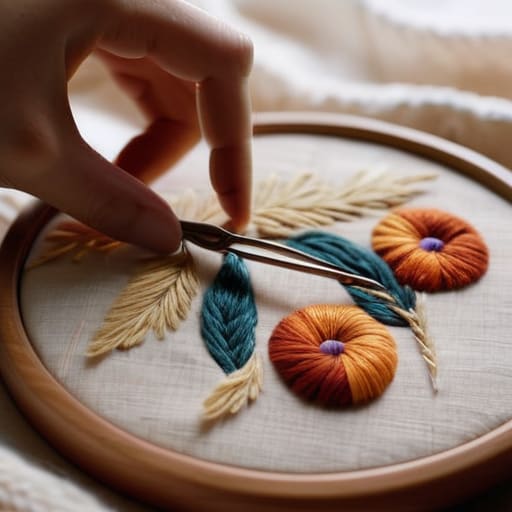
I remember sitting on my living room floor three years ago, surrounded by tangled yarn and a mounting sense of frustration, convinced that I simply lacked the “artistic gene.” I had watched dozens of tutorials, but every time I tried to figure out how to do punch needle, I ended up with a messy, uneven pile of fabric that looked more like a mistake than a craft. The truth I learned the hard way is that punch needle isn’t about achieving immediate, Pinterest-perfect precision; it’s actually about finding your rhythm and leaning into the meditative flow of the movement.
In this guide, I’m stripping away the complicated jargon to give you a grounded, realistic approach to this beautiful craft. We aren’t just going to talk about tools and tension; I’m going to walk you through the gentle mindset shifts needed to turn a repetitive task into a sanctuary of calm. You’ll learn the essential mechanics of the stitch, how to troubleshoot those inevitable little hiccups, and how to embrace the process so that your creative time feels like a deep, restorative breath rather than another item on your to-do list.
Table of Contents
- Step-by-Step Instructions
- Curating Your Space the Perfect Embroidery Hoop Setup
- Mastering the Craft Punch Needle Stitch Techniques for Beginners
- Small Shifts for a Smoother Stitch: My Top 5 Punch Needle Pro-Tips
- Embracing the Process: My Three Golden Rules for Punch Needle
- Finding Your Flow Through Every Stitch
- Finding Your Flow Beyond the Needle
- Frequently Asked Questions
Guide Overview
Tools & Supplies
- Punch needle tool (various needle sizes)
- Embroidery hoop or frame (to hold fabric taut)
- Monks cloth or linen (1 yard)
- Embroidery yarn or wool (2-3 skeins)
Step-by-Step Instructions
- 1. First, I want you to gather your materials, but think of this more as curating your sanctuary than just making a shopping list. You’ll need a punch needle tool, a sturdy embroidery hoop or frame, monk’s cloth (which is my absolute favorite because of its wonderful texture), and some high-quality yarn. I always tell my clients that setting the stage is half the battle; when your workspace feels intentional, your creativity flows much more naturally.
- 2. Once you have everything, it’s time to transfer your design onto the fabric. I highly recommend using a water-soluble pen to sketch out your pattern onto the front side of the monk’s cloth. This is a moment to really settle into your space—maybe put on some soft lo-fi beats—and ensure your lines are clear. Remember, we aren’t aiming for perfection here, just a gentle roadmap for your stitches to follow.
- 3. Next, secure your fabric into the hoop or frame, making sure it is pulled taut, but not overly tight. If the fabric is too loose, your stitches will wobble and lose their shape, which can be so frustrating when you’re just trying to find your flow. I like to think of the tension in the fabric as the foundation of your focus; once it’s steady, you can truly let go and dive in.
- 4. Now, thread your needle with your chosen yarn, following the specific instructions for your particular tool. This is where the magic starts to happen, but it requires a bit of mindful precision. As you thread, notice the weight of the yarn and the colors you’ve chosen; it’s a beautiful way to engage your senses and ground yourself in the present moment before the rhythmic work begins.
- 5. As you begin punching, always remember the golden rule: keep the needle perpendicular to the fabric. If you tilt the tool, you might accidentally pull the loops out, which can disrupt that lovely meditative rhythm we’re aiming for. I find that focusing on the steady up-and-down motion of the needle acts almost like a form of moving meditation, helping to quiet the noise of a busy workday.
- 6. As you move through your design, don’t be afraid to slow down if you feel your mind starting to wander back to your inbox or your to-do list. If you hit a tricky corner, just take a breath and approach it with patience. Punch needle is a slow art, and there is so much beauty to be found in the process of layering color and texture one stitch at a time.
- 7. Finally, once you’ve completed your pattern, you’ll need to secure the loops on the back. Many people use a specialized glue or a backing fabric to ensure the piece stays beautiful for years to come. I love this final step because it feels like sealing a promise you made to yourself to take time for something purely creative and restorative.
Curating Your Space the Perfect Embroidery Hoop Setup
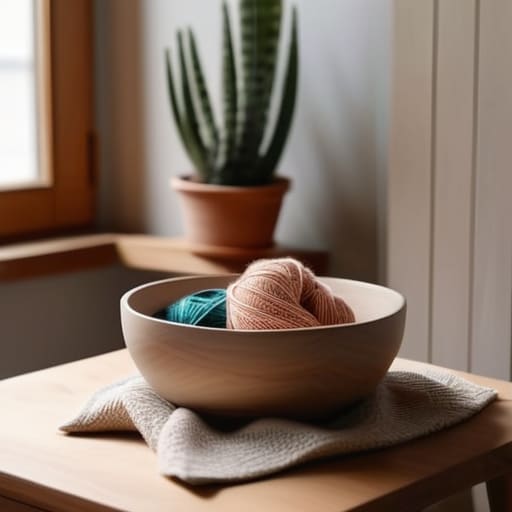
Before you even thread your first needle, I want you to think about your environment. When I first started exploring punch needle embroidery for beginners, I used to set up at my cluttered kitchen table, thinking I could just power through. I was wrong. To truly find your flow, you need a dedicated nook where the lighting is soft but bright enough to see your stitches. A sturdy table and a comfortable chair are non-negotiable; if your body is tense, your stitches will be too.
The heart of your creative sanctuary is your embroidery hoop setup. I can’t stress this enough: your fabric needs to be taut, like a drum skin. If it’s sagging, you’ll struggle with your tension, leading to frustration rather than zen. I love using a wooden hoop for a tactile, grounding feel, but some of my clients prefer metal for a more precise grip. Once you find that perfect tension, you’ll notice how much more effortless the movement becomes. It’s not just about the craft; it’s about creating a ritual that allows you to leave the chaos of the day behind.
Mastering the Craft Punch Needle Stitch Techniques for Beginners
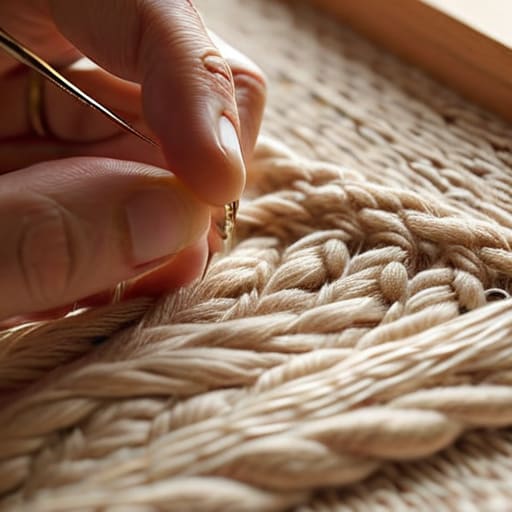
Once you’ve settled into your space, it’s time to actually meet the needle. When I first started exploring punch needle embroidery for beginners, I made the mistake of rushing through the stitches, treating it like a task to be checked off a list. But I quickly learned that the magic lies in your rhythm. As you move through your design, try to maintain a steady, even pace. This consistency is what helps you master various punch needle stitch techniques, ensuring your loops look uniform rather than erratic. Think of it as a moving meditation; if you find your mind wandering to your inbox, just bring your focus back to the tactile sensation of the yarn passing through the fabric.
Another thing that tripped me up early on was the physics of the craft. You’ll find that managing your tension is everything. If you pull too hard, you might distort your fabric; if you’re too loose, those beautiful loops might just collapse. I always suggest experimenting with working with different fabric types, like linen versus monk’s cloth, to see how they respond to your pressure. It’s all about finding that sweet spot where the needle glides effortlessly, allowing you to truly flow with the creative process.
Small Shifts for a Smoother Stitch: My Top 5 Punch Needle Pro-Tips
- Don’t fight the fabric; let it breathe. One thing I learned the hard way back in my corporate days—and it applies perfectly to crafting—is that tension is everything. If your fabric is too loose, your stitches will sag, but if it’s too tight, you’ll feel that frustration mounting. Aim for a steady, medium tension that feels supportive but not restrictive.
- Listen to your hands, not just the clock. It’s so easy to get caught in that “productivity trap” of trying to finish a whole piece in one sitting. But punch needle is rhythmic. If your wrist starts to feel even a little bit tight, that’s your body’s way of asking for a mindful pause. Step away, stretch, and come back when you can flow with the needle again.
- The “Magic” of Fabric Choice. I once spent hours trying to force a beautiful design onto a fabric that just wasn’t cooperating, and let me tell you, it was a lesson in patience! For beginners, stick to a sturdy, even-weave fabric like monk’s cloth. It’s much more forgiving and allows the needle to glide in and out without a struggle.
- Mind the direction of your journey. Think of your needle like a compass. To keep your loops consistent and beautiful, try to move in a deliberate direction—usually working from the center outwards or in consistent rows. It prevents the “chaos” of tangled loops and keeps your pattern looking intentional and polished.
- Embrace the “Beautiful Imperfection.” Here’s a little wellness secret: perfectionism is the enemy of joy. In punch needle, you might have a loop that’s a little taller or a stitch that’s slightly off-center. Instead of seeing it as a mistake, see it as the texture of your unique process. It’s the soul of the piece!
Embracing the Process: My Three Golden Rules for Punch Needle
Focus on the rhythm, not just the result; punch needle is a meditative practice, so allow yourself to breathe through each stitch rather than rushing toward the finish line.
Prioritize your physical comfort by setting up an ergonomic workspace, because a mindful craft shouldn’t come at the cost of your posture or well-being.
Embrace the “beautiful imperfections” that come with learning a new skill, treating every uneven loop as a testament to your growth and a part of your unique creative journey.
Finding Your Flow Through Every Stitch
“Punch needle isn’t just about creating texture on fabric; it’s about the rhythmic dance between your breath and the needle, where each repetitive motion becomes a tiny, meditative anchor in a chaotic world.”
Sophia Reynolds
Finding Your Flow Beyond the Needle
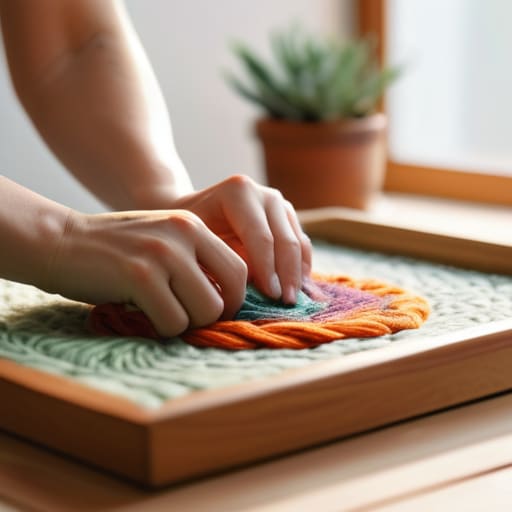
As we wrap up this journey into the tactile world of punch needle, I hope you feel more equipped to tackle your first project. We’ve covered everything from setting up your ideal, mindful workspace and selecting the right tools to mastering those foundational stitch techniques that bring your patterns to life. Remember, it isn’t just about the technicality of the tension or the choice of yarn; it’s about how you embrace the process of creating something from nothing. Whether you’re working through a complex design or just experimenting with texture, the goal is to integrate these steps into a routine that feels supportive rather than stressful.
More than anything, I want you to remember that your first few pieces don’t need to be masterpieces destined for a gallery. In my own life, I’ve learned that true growth happens in the messy, imperfect middle stages where we are simply learning to be present. Let each stitch be a way for you to pause and breathe amidst the noise of a busy week. Punch needle is a beautiful metaphor for life: one small, intentional movement at a time creates a stunning, cohesive whole. So, pick up your needle, settle into your rhythm, and enjoy the quiet magic of making something beautiful just for you.
Frequently Asked Questions
How do I choose between using wool or cotton yarn to keep my stitches looking consistent and cozy?
When you’re deciding between wool and cotton, think about the “soul” of the piece you’re creating. If you’re craving that cozy, cloud-like texture for a rug or a warm pillow, wool is your best friend—it’s forgiving and holds its shape beautifully. For something more refined and structured, like a delicate wall hanging, cotton offers that crisp consistency. Personally, I find wool much more meditative; it flows so effortlessly through the needle.
Is it normal to feel a bit of tension in my hands, and how can I adjust my grip to make the process more relaxing?
Oh, I hear you, and I want you to know—it is completely normal! When I first started, I’d get so caught up in the rhythm that I’d clench my hands like I was holding on for dear life. Try to think of your grip like holding a delicate bird; firm enough to stay steady, but soft enough to let it breathe. If you feel tension, pause, shake out your wrists, and take a deep breath.
What are some ways I can clean or care for my finished piece so it stays beautiful for years to come?
Treating your finished piece with a little extra love is like honoring the mindful time you spent creating it. To keep those textures plush, I always recommend a gentle vacuuming using a brush attachment to lift away dust without pulling the fibers. If it needs a refresh, spot clean only with a damp cloth—never soak it! Think of it as preserving a small piece of your peace; a little gentle care goes a long way.