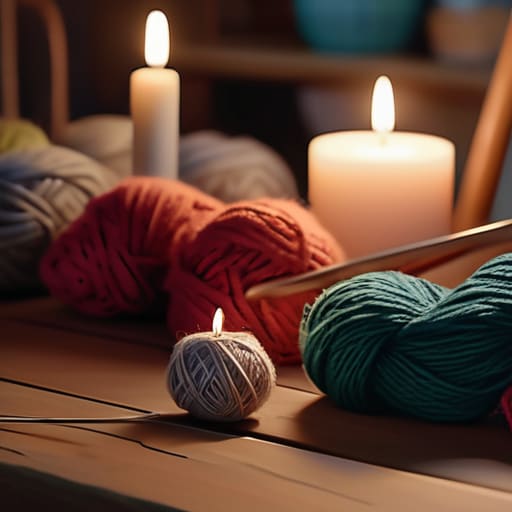
I remember sitting on my floor in a cramped San Francisco apartment, surrounded by half-finished DIY projects and a mountain of expensive, “aesthetic” supplies I’d bought because a lifestyle influencer told me it was the secret to a meaningful life. I was exhausted, my bank account was hurting, and I felt more disconnected than ever. I realized then that we’ve been sold this lie that we need elaborate, curated setups to truly bond. We don’t need a Pinterest-perfect studio to learn how to craft socially with friends; in fact, the pressure to make everything look “Instagrammable” is exactly what kills the genuine magic of just being together.
I’m not here to give you a shopping list of high-end tools or a guide to hosting the perfect, high-pressure workshop. Instead, I want to share how we can use simple, tactile creativity to strip away the digital noise and actually show up for one another. We’re going to explore how to lean into the messy, imperfect process of making things side-by-side, focusing on intentional connection rather than the finished product. Let’s get back to the basics of creating something real, one stitch or brushstroke at a time.
Table of Contents
- Nurturing Connection Through Creative Bonding Activities
- Embracing Low Stress Group Hobbies for Soulful Connection
- Small Shifts for Deeper Bonds: My Top 5 Rituals for Social Connection
- Bringing the Magic Back to Your Friendships
- The Heart of Social Crafting
- Finding Your Rhythm in Connection
- Frequently Asked Questions
Nurturing Connection Through Creative Bonding Activities
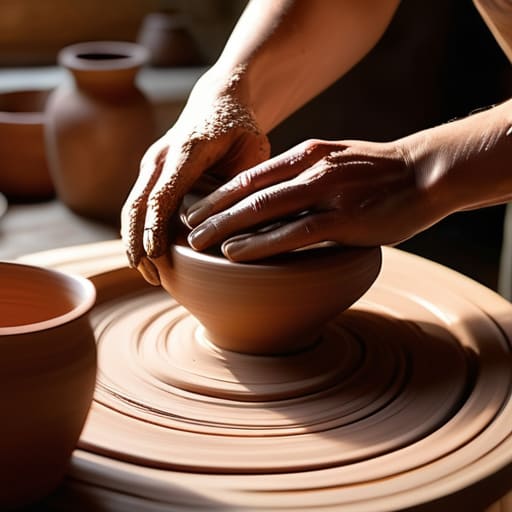
I’ve always found that the most profound conversations don’t actually happen when we’re staring each other down across a dinner table, but rather when our hands are busy with something else. There is something almost magical about the way a shared task can lower our collective defenses. When we engage in creative bonding activities, the pressure to maintain constant eye contact or fill every silence with “small talk” simply evaporates. Instead, the focus shifts to the project at hand, allowing for a more organic, flowing type of connection that feels incredibly restorative.
If you’re looking to try this out, I highly recommend hosting a craft party that prioritizes process over perfection. I remember one evening in my old apartment where a few friends and I tried our hand at watercolor painting; we were all absolutely terrible at it, but that shared vulnerability actually brought us closer than any polished dinner party ever could. Aim for low-stress group hobbies—think pottery, adult coloring, or even simple candle making—where the goal isn’t to create a masterpiece, but to simply enjoy the rhythm of creating alongside the people who matter most.
Embracing Low Stress Group Hobbies for Soulful Connection
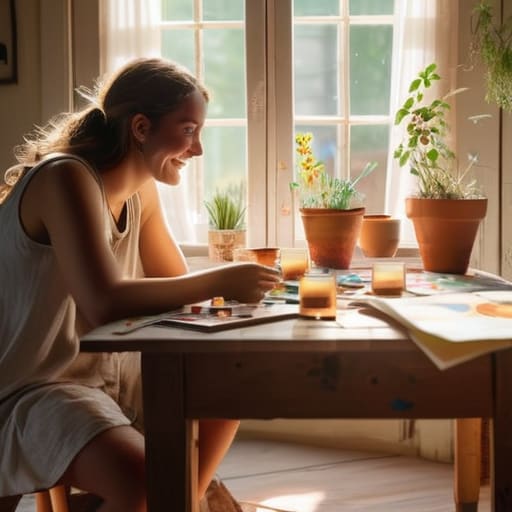
Sometimes, we feel this immense pressure to make every hangout an “event”—a big dinner or a high-energy outing—but I’ve learned that the most profound connections often happen in the quiet spaces in between. I remember back when I was working that high-stress corporate job in San Francisco, I used to crave nothing more than a way to unwind without the performance of a formal social gathering. That’s where low-stress group hobbies truly shine. Instead of focusing on a perfect end product, try leaning into the process itself. Whether it’s a simple watercolor session or a casual plant-potting afternoon, the goal isn’t mastery; it’s the shared rhythm of creating something together.
If you’re looking to try this at home, hosting a craft party doesn’t need to be intimidating. I always tell my clients that the best way to lower the barrier to entry is to choose beginner friendly group crafts—think adult coloring books, beadwork, or even a simple collaborative collage. When our hands are busy, our guards naturally drop, allowing for those deep, meandering conversations that nourish the soul. It’s about creating a sanctuary where everyone feels welcome to just be.
Small Shifts for Deeper Bonds: My Top 5 Rituals for Social Connection
- Prioritize presence over productivity. We often fall into the trap of trying to “optimize” our hangouts, but true connection happens in the pauses. When you’re with your friends, try putting the phone in another room. It’s a small boundary, but it signals to your loved ones that they are the most important thing in your world at that moment.
- Lean into the “micro-moment” check-in. You don’t always need a three-hour dinner to feel connected. I’ve found that sending a quick voice note or a photo of something that reminded you of a friend can sustain the emotional thread between meetings. It keeps the relationship feeling alive and breathing in the spaces in between.
- Practice active, empathetic listening. In my psychology studies, I learned that we often listen just to respond, rather than to understand. Next time you’re together, try to listen for the emotion behind the words. Ask, “How did that make you feel?” instead of immediately offering a solution. It creates a safe harbor for vulnerability.
- Create “low-stakes” social traditions. The pressure to plan something elaborate can actually lead to social burnout. Instead, establish something easy, like a recurring Tuesday morning walk or a monthly taco night. When the “how” and “where” are already decided, you can skip the logistics and jump straight into the heart of the connection.
- Embrace the beauty of shared vulnerability. Real intimacy isn’t built on a highlight reel of our successes; it’s built in the messy middle. Don’t be afraid to share your struggles or your “unpolished” self. When we drop the mask of perfection, we give our friends the unspoken permission to do the same, and that’s where the real magic happens.
Bringing the Magic Back to Your Friendships
Remember that connection doesn’t always need a grand plan; sometimes, the most profound moments happen when we simply allow ourselves to be present and unhurried in each other’s company.
Prioritize activities that nourish your soul rather than just filling your calendar, choosing shared experiences that foster genuine vulnerability and laughter over mere social obligation.
Be intentional about creating “soft spaces” in your social life—low-pressure environments where everyone feels safe to show up exactly as they are, without the need for performance.
The Heart of Social Crafting
“Social crafting isn’t about checking boxes on a social calendar; it’s about the intentional act of weaving shared experiences into the fabric of our lives, creating spaces where we can truly be seen, heard, and nourished by one another.”
Sophia Reynolds
Finding Your Rhythm in Connection

As we wrap up our exploration into crafting social experiences, I hope you feel a little more equipped to step into your next gathering with intention. We’ve talked about how much magic happens when we move beyond the usual surface-level small talk and dive into creative bonding activities that spark genuine joy. Whether you’re choosing a high-energy project or leaning into the quiet, restorative power of low-stress group hobbies, the goal is always the same: to create a space where everyone feels seen and valued. Remember, it’s not about the complexity of the activity itself, but about the intentionality behind the shared moment that truly allows those deep, soulful connections to take root.
At the end of the day, please don’t feel pressured to curate the “perfect” social life. Life is beautifully messy, and sometimes the most profound connections happen in the unplanned pauses between the activities. My best advice? Trust your intuition and listen to what your heart—and your friends—actually need in the moment. Whether you need a night of laughter-filled chaos or a silent afternoon of parallel play, honor that need. You deserve a social life that nourishes your spirit rather than drains it. So, take a deep breath, reach out to someone you love, and just start where you are.
Frequently Asked Questions
How do I balance the desire to be social with my need for quiet, restorative downtime?
I hear you, and honestly, I’ve been there more times than I’d like to admit. Back in my corporate days, I used to feel so much guilt for turning down happy hours, thinking I was “failing” at being social. But here’s the truth: social energy is a finite resource. I’ve learned to treat my downtime as a non-negotiable appointment. Try scheduling “buffer days” after big outings; it honors your need for stillness without sacrificing your connections.
What can I do if I feel a bit of "creative anxiety" or pressure to be good at an activity when I'm with a group?
Oh, I hear you so loudly on this! I remember feeling that exact same knot in my stomach during a pottery class last year—that nagging voice saying, “If this isn’t a masterpiece, I’m failing.”
How can we keep these social connections consistent without it feeling like just another item on our busy to-do lists?
I hear you—the moment connection starts feeling like a “task,” we lose the very magic that makes it restorative. To avoid the burnout of a social to-do list, try leaning into “micro-connections.” Instead of planning a massive dinner, send a quick voice note or schedule a ten-minute walking coffee. When we stop aiming for perfection and start embracing these small, rhythmic touchpoints, staying connected feels less like work and more like a natural exhale.